Euphorbia umbellata
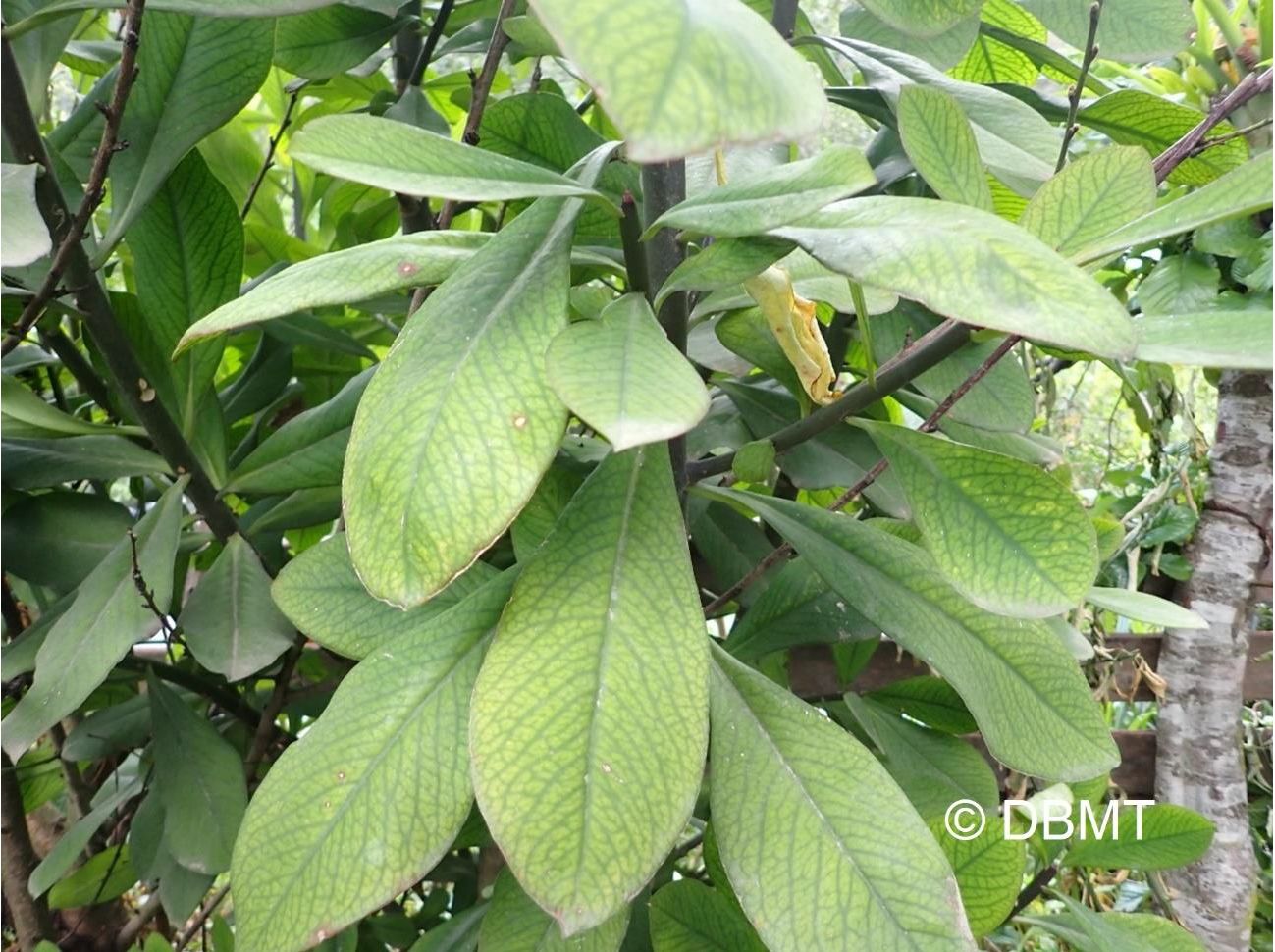
Gardens: Jardin-Chinchango, Dominga Calderon Description: It is a plant native to tropical Africa widely valued for its medicinal and ornamental properties. However, it is also important to note that its milky sap is toxic and should be handled with caution. Reasons why it is called the "Tree of Life": 1. Traditional Medicinal Uses: In many cultures, especially in Africa, it is believed to have healing properties. Its diluted sap or extracts are used in traditional medicine to treat various conditions, such as: Skin problems. -Inflammatory diseases. -Muscle or joint pain. -Gastrointestinal disorders. 2. Resilience and Adaptability: The plant is resistant to adverse conditions and has a remarkable ability to grow in different soil types and climates, which can symbolize "life" and resilience. 3. Spiritual Symbolism: In some communities, the plant is believed to have spiritual significance, associated with protection and longevity. Precautions: Although known as the "tree of life," its sap is extremely toxic if ingested or if it comes into contact with eyes or open wounds. It can cause: -Severe skin irritation. -Gastrointestinal problems. -Mucous membrane inflammation. Although Euphorbia umbellata is associated with the "tree of life" for its many uses, it is essential to handle it with care due to its toxicity. The plant combines medicinal potential with risks that require knowledge and respect when using it.
References:
Brack Egg, A. (1999). Diccionario Enciclopédico de Plantas Útiles del Perú. Centro de Estudios Regionales Andinos "Batolomé de las Casas". Lima, Perú. 556 p.
Kanunfre, C. C., Leffers, T., Cruz, L. S., Luz, L. E., Crisma, A. R., Wang, M., & Beltrame, F. L. (2017). Euphorbia umbellata bark extracts–an in vitro cytotoxic study. Revista Brasileira de Farmacognosia, 27(2), 206-213.
Latansio de Oliveira, T., Reder Custodio de Souza, A., Dias Fontana, P., Carvalho Carneiro, M., Beltrame, F. L., de Messias Reason, I. J., & Bavia, L. (2022). Bioactive Secondary Plant Metabolites from Euphorbia umbellata (PAX) BRUYNS (Euphorbiaceae). Chemistry & Biodiversity, 19(12), e202200568.
Luz, L. E. C., Kanunfre, C. C., Paludo, K. S., da Silva Justo, A., Petry, V. K., Lemes, B. M., & Beltrame, F. L. (2016). Cytotoxic biomonitored study of Euphorbia umbellata (Pax) Bruyns. Journal of ethnopharmacology, 183, 29-37.
Minozzo, B. R., Lemes, B. M., da Silva Justo, A., Lara, J. E., Petry, V. E. K., Fernandes, D., & Beltrame, F. L. (2016). Anti-ulcer mechanisms of polyphenols extract of Euphorbia umbellata (Pax) Bruyns (Euphorbiaceae). Journal of ethnopharmacology, 191, 29-40.
Soukup, J. (1978). Vocabulario de los nombres vulgares de la flora peruana y catálogo de los géneros. Editorial Salesiana. Lima, Perú. 435 p..