Escallonia pendula (myrtilloides)
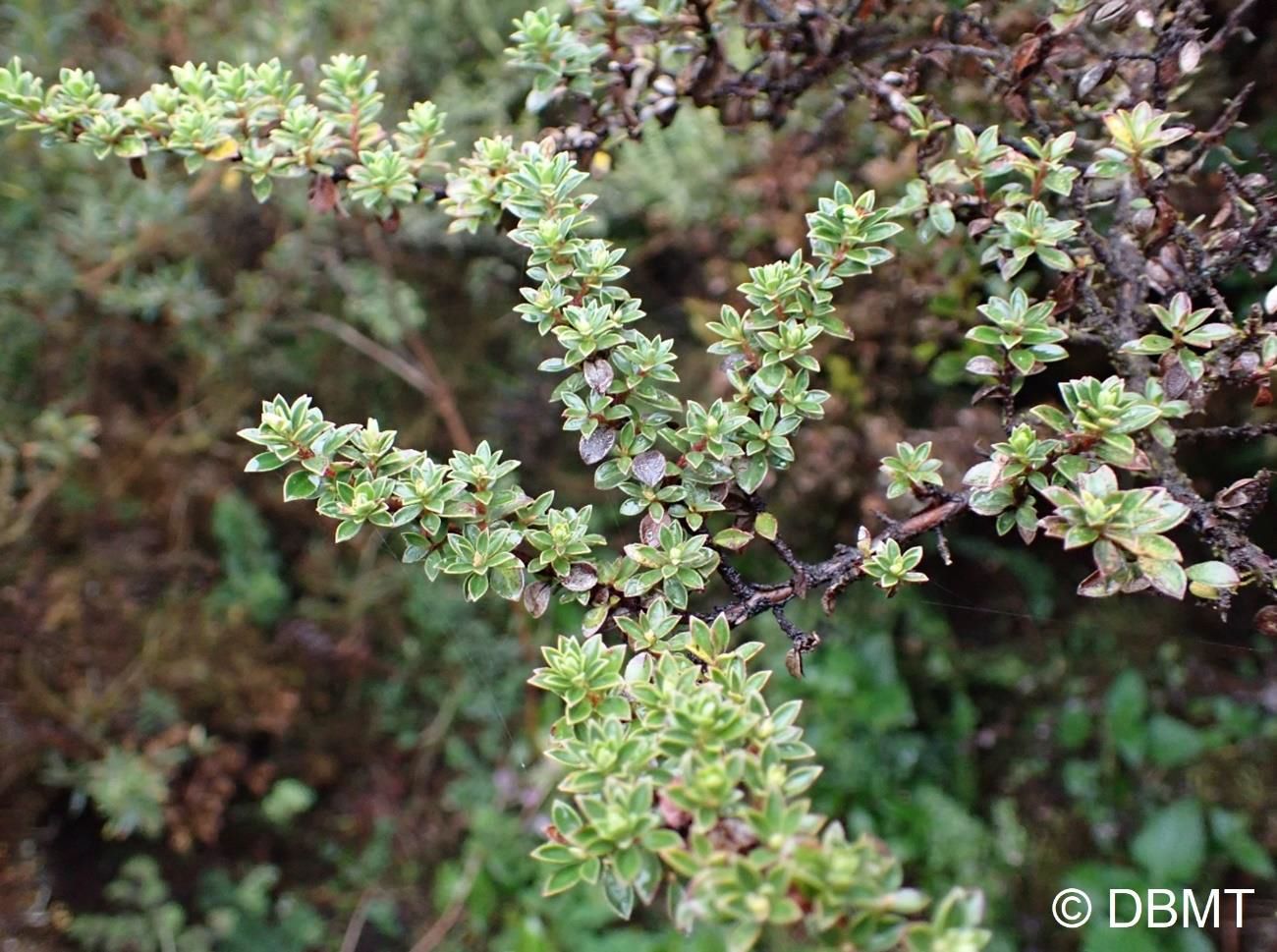
Jardines: Jardin-Chinchango, Shalcapata
Description: Escallonia pendula (also known as Escallonia myrtilloides) is a plant native to the Andean regions of South America, especially in areas of Peru, Chile, and Argentina. In traditional medicine, it is attributed with various medicinal properties, especially in rural communities that use native plants to treat various health problems.
Archaeological perspectives: Chachacoma was one of the most prized woods by ancient Peruvian populations, in part because it is one of the few tree species that grows at high altitudes. The 17th-century native chronicler Juan de Santa Cruz Pachacuti Yamqui Salcamaygua reports that the Inca Emperor Viracocha Inka Yupanki cultivated chachacoma on his royal lands, along with alder, quishuar, and molle.
Medicinal Properties:
1. Anti-inflammatory Properties: Infusions of the leaves of this plant have been traditionally used to reduce inflammation, especially in arthritis, joint pain, and other inflammatory conditions.
2. Antioxidant Properties: Like other plants native to the Andean region, Escallonia pendula possesses antioxidant compounds that help protect the body from cellular damage caused by free radicals. This contributes to overall health and helps prevent premature aging.
3. Antimicrobial Properties: Some extracts of Escallonia pendula have been reported to have antimicrobial properties, suggesting its use in fighting bacterial and fungal infections. It is used to clean wounds and prevent skin infections.
4. Digestive Properties: Traditionally, the leaves and branches of the plant have been used in infusions to relieve digestive problems, such as indigestion, colic, and stomach upset. The carminative properties of the plant can help relieve flatulence and promote digestion.
5. Calming Properties: In some communities, Escallonia pendula is used to reduce stress and anxiety. Infusions of the plant have a calming effect on the nervous system, which can help improve sleep and reduce tension.
6. Febrifuge Properties: It is used in some regions as a remedy to reduce fever, due to its potential antipyretic effects. Infusions of its leaves can help control body temperature in cases of high fever.
7. Expectorant Properties: It is used in traditional medicine to relieve respiratory symptoms, such as cough and congestion, due to its expectorant effects, which help clear the airways.
Precautions: Although the medicinal properties of Escallonia pendula have been used traditionally, further scientific studies are needed to confirm the effectiveness and safety of these medicinal uses. As always, use under professional supervision is recommended to avoid possible adverse effects.
Other traditional uses: Escallonia pendulais a plant that not only has medicinal applications but is also used in several non-medicinal contexts. Some of the main uses of this plant include:
1. Ornamental use: Due to its attractive foliage and flowers, Escallonia pendula is commonly grown as an ornamental plant in gardens and landscapes. Its flowers, which can range in color from white to pink, and its bushy form make it suitable for forming hedges, borders, or even as a ground cover in landscaping.
2. Erosion control: This hardy, dense-growing plant is used to prevent soil erosion, especially in mountainous areas or on hillsides where the risk of landslides is high. The dense vegetation and its roots help stabilize the soil, reducing topsoil loss.
3. Improved biodiversity: As a plant native to Andean regions, Escallonia pendula can be used in ecological restoration projects to recover natural habitats and promote biodiversity. Its cultivation can benefit local flora and fauna species, especially in degraded or altered areas.
4. Vegetation cover in reforestation projects: This plant is also included in reforestation projects and the restoration of areas affected by deforestation. Its rapid growth makes it a suitable option for ecosystem restoration and shade generation, which facilitates the colonization of other plant species in disturbed areas.
5. Local culture and traditional uses: In some rural communities, Escallonia pendula may have other practical uses, such as the creation of hedges or plant barriers to delimit properties or protect crops from animals.
6. Although Escallonia pendula is primarily used for ornamental purposes and ecological restoration, it is important to remember that it is also a plant that is part of the local biodiversity, and its cultivation can contribute to the conservation of natural landscapes.
Referencias:
Brack Egg, A. (1999). Diccionario Enciclopédico de Plantas Útiles del Perú. Centro de Estudios Regionales Andinos "Batolomé de las Casas". Lima, Perú. 556 p.
Johannessen, S. and C. Hastorf. 1990. A history of fuel management (A.D. 500 to the present) in the Mantaro Valley, Peru. Journal of Ethnobiology 10(1):61-90.
Seminario, J. F., Castillo-Vera, H., Cunya, A. S., Quino, J. F. M., Ordoñez, G. I. S., & Estela, L. D. (2024). Riqueza y uso de la flora medicinal de la Región Cajamarca (Norte del Perú): Un compendio de 1988 a 2022. Boletín Latinoamericano y del Caribe de Plantas Medicinales y Aromáticas, 23(6), 855-933.
Soukup, J. (1978). Vocabulario de los nombres vulgares de la flora peruana y catálogo de los géneros. Editorial Salesiana. Lima, Perú. 435 p.