Taraxacum officinale
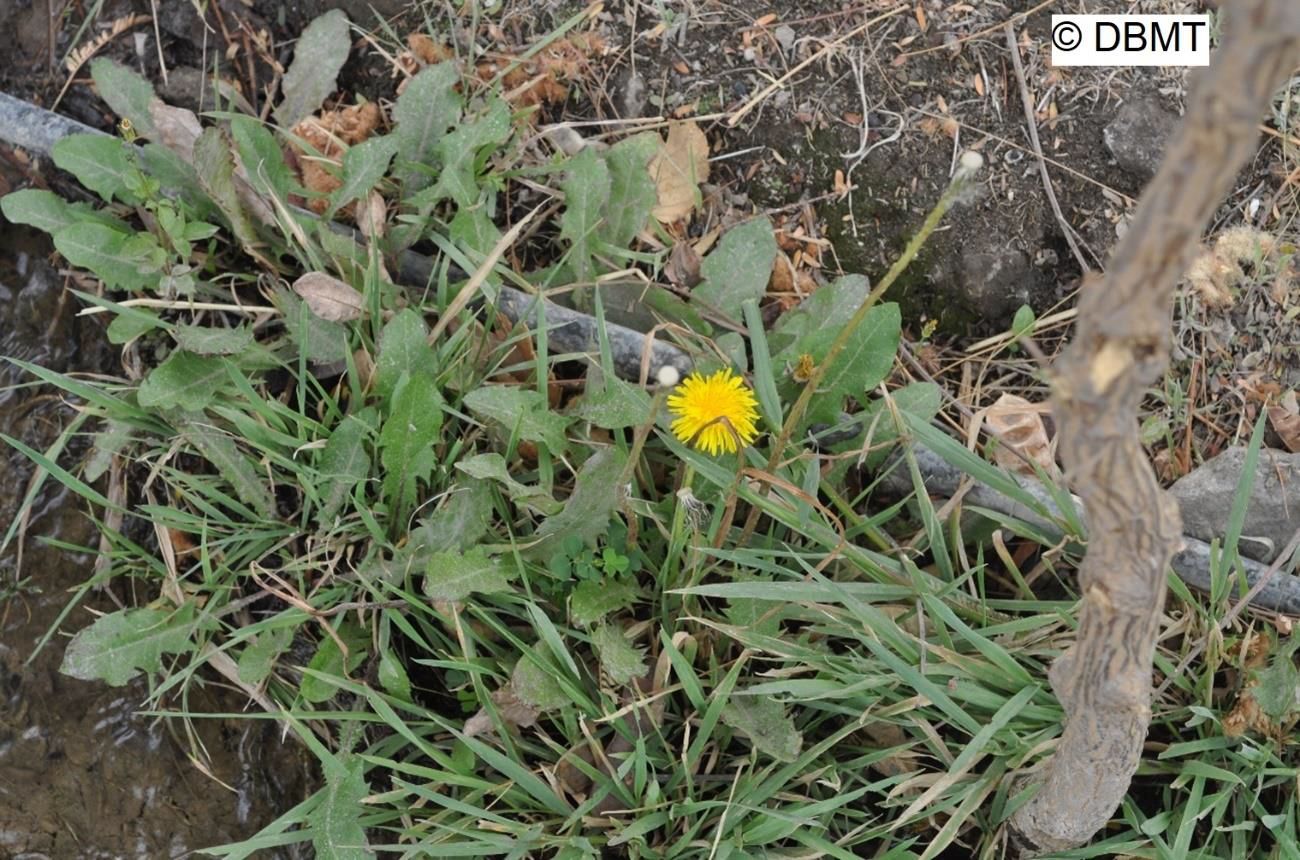
Gardens: El Eden, La Finca
Dandelion (Taraxacum officinale) in Peru: Dandelion, a plant of the Asteraceae family, is widely known in Peru for its medicinal properties and traditional use in natural medicine. It grows wild in temperate climates and the high Andes and is valued for its leaves, roots, and flowers.
Medicinal Properties:
1. Detoxifying and purifying
It stimulates liver function, helping to detoxify the liver and promote the elimination of toxins through bile.
It is used to treat hepatitis, jaundice, and fatty liver problems.
2. Natural diuretic
It increases urine production, being effective in eliminating retained fluids and accumulated toxins from the body.
It is beneficial in cases of hypertension, edema, and mild kidney disorders
3. Digestive
It improves digestion by stimulating the production of gastric juices and bile, which facilitates the breakdown of fats.
It is useful for combating constipation and irritable bowel syndrome.
4. Anti-inflammatory and antioxidant: Its bioactive compounds, such as flavonoids and carotenoids, combat chronic inflammation and free radicals, protecting the body from degenerative diseases.
5. Hypoglycemic: It helps regulate blood sugar levels, being beneficial for people with type 2 diabetes.
6. Strengthens the immune system: Its vitamin C and other antioxidant content strengthens the body's defenses against infections.
7. Mild laxative: It stimulates bowel movements, helping to combat constipation without severe side effects.
8. Cholesterol regulator: It reduces LDL cholesterol (bad cholesterol) and triglyceride levels in the blood.
Traditional Uses in Peru:
1. Infusions: An infusion of dried leaves and roots is consumed to detoxify the body, stimulate digestion, and relieve liver discomfort.
2. Topical: The juice of the fresh plant is applied to warts, calluses, and insect bites to reduce inflammation and soothe irritation.
3. Culinary: The tender leaves are eaten as a salad, taking advantage of their high content of vitamins A, C, and K, as well as minerals such as iron and calcium.
4. Kidney Treatment: The decoction of the roots is used as a complementary treatment for urinary tract infections and to prevent the formation of kidney stones.
5. Skin Care: Extracts of the plant are applied in the form of creams or poultices to soothe skin irritations, reduce eczema, and promote the healing of minor wounds.
Nutritional Composition: Dandelion contains:
Vitamins: A, C, D, K, and some B vitamins.
Minerals: Iron, magnesium, calcium, potassium, and phosphorus.
Dietary Fiber: Especially in the leaves.
Bioactive Compounds: Flavonoids, carotenoids, terpenoids, and sesquiterpene lactones.
Precautions
Excessive use can cause gastric irritation in sensitive individuals.
It should be avoided in people with biliary obstruction or large stones, as it can exacerbate symptoms.
If you are pregnant, breastfeeding, or taking diuretic medications, it is important to consult a doctor before using them.
Importance of Dandelion in Peru: In Peru, dandelion is a plant commonly used in traditional medicine due to its easy access and versatile properties. It is a valuable natural resource for promoting health and treating various ailments, especially in rural communities where herbal remedies have a long tradition.
Referencias:
Brack Egg, A. (1999). Diccionario Enciclopédico de Plantas Útiles del Perú. Centro de Estudios Regionales Andinos "Batolomé de las Casas". Lima, Perú. 556 p.
Jeon, H. J., Kang, H. J., Jung, H. J., Kang, Y. S., Lim, C. J., Kim, Y. M., & Park, E. H. (2008). Anti-inflammatory activity of Taraxacum officinale. Journal of ethnopharmacology, 115(1), 82-88.
Martinez, M., Poirrier, P., Chamy, R., Prüfer, D., Schulze-Gronover, C., Jorquera, L., & Ruiz, G. (2015). Taraxacum officinale and related species—An ethnopharmacological review and its potential as a commercial medicinal plant. Journal of Ethnopharmacology, 169, 244-262.
Soukup, J. (1978). Vocabulario de los nombres vulgares de la flora peruana y catálogo de los géneros. Editorial Salesiana. Lima, Perú. 435 p.