Passiflora ligularis
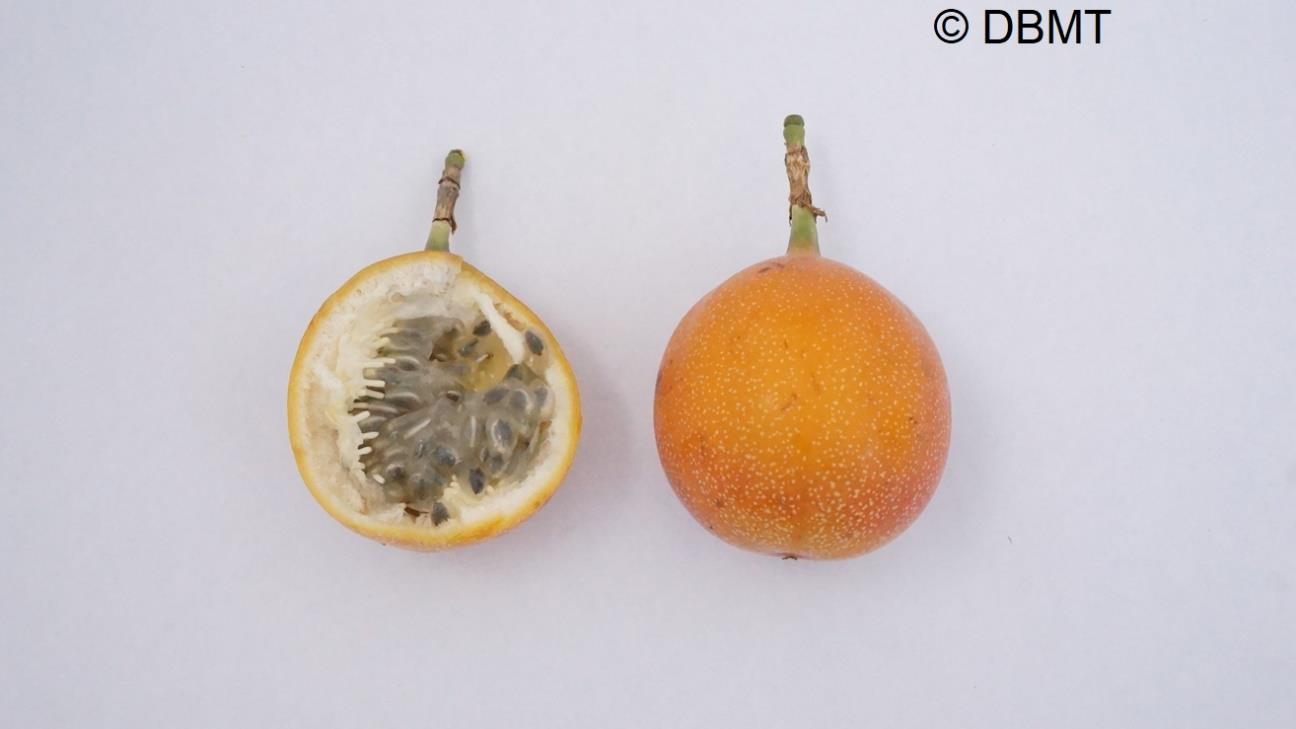
Gardens: Lili and Rodolfo
Description: Passion fruit (Passiflora ligularis) is a tropical fruit from the Passifloraceae family that grows in warm regions of the Americas, including the Peruvian Amazon. It is known for its sweet, refreshing flavor and juicy, crunchy texture due to its seeds surrounded by a gelatinous pulp. In addition to being a nutritious food, passion fruit has various medicinal properties and traditional uses in Peru, especially in the Amazon. Passion fruit is a tropical fruit of great nutritional and medicinal value in Peru and the Amazon region. It is consumed both fresh and in traditional preparations, and its relaxing, digestive, and antioxidant properties are highly valued in folk medicine. Additionally, it is used in cosmetics and other personal care products, highlighting its versatility and health benefits. Properties of Passion Fruit (Passiflora ligularis) in Peru and the Amazon 1. Nutritional Properties: High in Vitamin C: Passion fruit is rich in vitamin C, making it beneficial for strengthening the immune system and helping prevent common illnesses such as colds and flu. Dietary Fiber: The fruit contains a good amount of fiber, which aids digestion, relieves constipation, and promotes intestinal health. Low Calorie: Passion fruit is low in calories, making it a healthy choice for those looking to maintain or lose weight. Essential Minerals: Passion fruit contains minerals such as calcium, magnesium, and phosphorus, which are important for bone health and muscle function. Antioxidants: Passion fruit contains antioxidants, such as flavonoids, which protect cells from oxidative damage, helping to prevent premature aging and certain chronic diseases. 2. Medicinal Properties: Relaxing Effect: Passion fruit, like other species of the Passiflora genus, contains compounds with relaxing and sedative properties. It is used in traditional Peruvian medicine to treat insomnia, anxiety, and stress. Infusions of the leaves or fruit pulp are consumed to calm the nerves and promote restful sleep. Digestive Properties: Thanks to its high fiber content, passion fruit can help relieve digestive problems such as constipation and stomach upsets. Regular consumption promotes healthy digestion. Anti-inflammatory: Passion fruit is believed to have anti-inflammatory properties, which may be helpful in reducing inflammation in the body, helping to treat conditions such as muscle or joint pain. Antioxidant Properties: The antioxidants present in the fruit help protect the body's cells from the damaging effects of free radicals, contributing to the prevention of chronic diseases such as heart disease and certain types of cancer. Uses of Passion Fruit in Peru and the Amazon 1. Food Consumption: Fresh Fruit: Passion fruit is primarily consumed fresh, after peeling its skin and extracting the pulp and seeds. The pulp is eaten directly or used in the preparation of juices, smoothies, and desserts. Juices and Beverages: Passion fruit pulp is widely used to prepare natural juices, soft drinks, and cocktails in the Amazon region due to its sweet and refreshing flavor. Traditional desserts: It is used in the preparation of desserts such as mousses, jellies, ice creams, and cakes, among others. It is also a common ingredient in sauces and jams. 2. Medicinal Uses: Leaf Infusions: Passion fruit leaves are used in infusions to treat nervous disorders such as anxiety and insomnia. These infusions are also used to relieve headaches and as a general tonic. Treatment of Respiratory Conditions: Passion fruit is also used in traditional medicine to treat respiratory conditions such as coughs and colds. An infusion of the pulp or leaves is prepared to help relieve these symptoms. Improving Digestive Health: Regular consumption of passion fruit can be helpful in promoting digestion, especially in people with constipation. 3. Cosmetic Uses: Skin Care: Due to its vitamin and antioxidant content, passion fruit pulp is used in natural cosmetic products such as face masks and moisturizers. Topical application can help improve skin elasticity and combat premature aging. Hair masks: Passion fruit juice is also used in the preparation of hair masks, helping to hydrate hair and keep it shiny and healthy 4. Agricultural Uses: Ornamental and Shade Plant: The passion fruit is cultivated not only for its fruit, but also as an ornamental plant due to its beautiful purple and white flowers. It is often grown in gardens and home gardens in the Amazon region, where it also serves as a shade plant for other crops. 5. Cultural and Ceremonial Uses: In some Amazonian communities, the passion fruit is considered a sacred or special food, used in rituals and celebrations. Its consumption is associated with health, fertility, and good luck. Considerations: Cultivating passion fruit is relatively easy in tropical and subtropical areas, and it adapts well to the Peruvian Amazon region, where the warm, humid climate favors its growth. The fruit not only has nutritional value but also constitutes an important source of income for local farmers, who grow it in home gardens or on small farms.