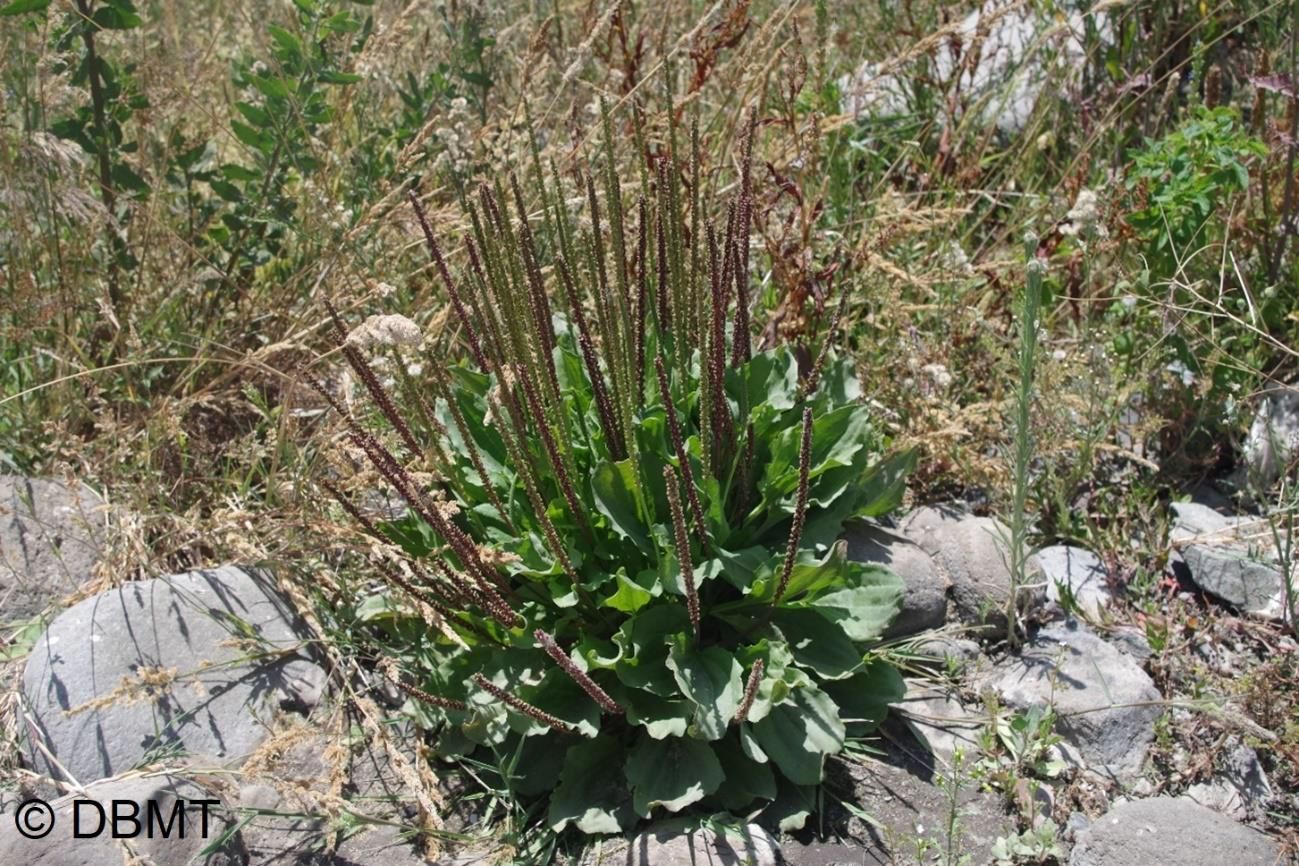
Plantago major
Gardens: El Colibrí, El Eden
Uses in Peru: Plantain, a plant from the Plantaginaceae family, is widely known and used in Peru for its medicinal properties. It grows wild in temperate climates and high Andean regions and is a staple plant in traditional Peruvian medicine due to its effectiveness in treating various ailments.
Medicinal Properties:
1. Anti-inflammatory:
It contains bioactive compounds such as aucubin and flavonoids that help reduce inflammation.
It is used in treatments for joint pain, arthritis, and muscle discomfort.
2. Healing and tissue regeneration:
Its allantoin content promotes cell regeneration, accelerating the healing of wounds, cuts, and ulcers.
It is commonly used to treat minor burns and sores.
3. Natural antiseptic:
It prevents infections in open wounds due to its bactericidal action.
It is used in washes for skin infections or insect bites.
4. Expectorant and respiratory soothing agent
It is effective against coughs, bronchitis, and respiratory problems thanks to its emollient and mucilaginous properties.
It reduces throat irritation and promotes the expulsion of phlegm.
5. Mild Diuretic
Promotes the elimination of retained fluids and toxins through urine.
It is used to treat urinary tract infections and relieve symptoms of kidney inflammation.
6. Astringent: Contracts inflamed tissues and reduces bleeding, being useful for minor hemorrhages or internal bleeding, such as bloody diarrhea.
7. Detoxifier: Helps cleanse the blood and eliminate accumulated toxins from the body, benefiting the liver and kidneys.
8. Mild Laxative: Plantain seeds are high in mucilage, which facilitates bowel movements and combats constipation.
9. Natural Antihistamine: Relieves allergy symptoms such as hives, itching, and nasal congestion.
10. Analgesic: Soothes pain caused by inflammation, wounds, or bites.
Traditional Uses in Peru
1. Infusion
The dried or fresh leaves are used in infusions to relieve respiratory ailments such as the flu, cough, and asthma.
They are also used as a tonic to strengthen the immune system.
2. Poultices: The crushed leaves are applied directly to wounds, bites, and burns to relieve pain and prevent infection.
3. Decoction: It is boiled to treat urinary tract infections, clean wounds, or wash irritated eyes.
4. Fresh Juice: The juice extracted from the fresh leaves is used to relieve stomach pain and detoxify the liver.
5. Seeds: The seeds are consumed in the form of infusions or mixed into foods as a natural laxative to regulate bowel movements.
Nutritional and Bioactive Composition
Vitamins: A, C, and K.
Minerals: Zinc, iron, potassium, and calcium.
Active compounds: Aucubin, mucilage, flavonoids, tannins, and allantoin.
Fiber: Especially in the seeds, which contain mucilage.
Precautions
Avoid in people allergic to plants of the Plantaginaceae family.
High doses may cause stomach upset.
Consult a doctor before use if pregnant, breastfeeding, or taking anticoagulant medications.
Importance of Plantain in Peru: Plantain is one of the most versatile and common plants in traditional Peruvian medicine. Its easy access, simple cultivation, and wide range of therapeutic applications make it an essential resource, especially in rural communities where it is valued as a low-cost, highly effective natural remedy.
References:
Adom, M. B., Taher, M., Mutalabisin, M. F., Amri, M. S., Kudos, M. B. A., Sulaiman, M. W. A. W., & Susanti, D. (2017). Chemical constituents and medical benefits of Plantago major. Biomedicine & pharmacotherapy, 96, 348-360.
Brack Egg, A. (1999). Diccionario Enciclopédico de Plantas Útiles del Perú. Centro de Estudios Regionales Andinos "Batolomé de las Casas". Lima, Perú. 556 p.
Najafian, Y., Hamedi, S. S., Farshchi, M. K., & Feyzabadi, Z. (2018). Plantago major in Traditional Persian Medicine and modern phytotherapy: a narrative review. Electronic physician, 10(2), 6390.
Soukup, J. (1978). Vocabulario de los nombres vulgares de la flora peruana y catálogo de los géneros.Editorial Salesiana. Lima, Perú. 435 p.