Piper subflavispicum
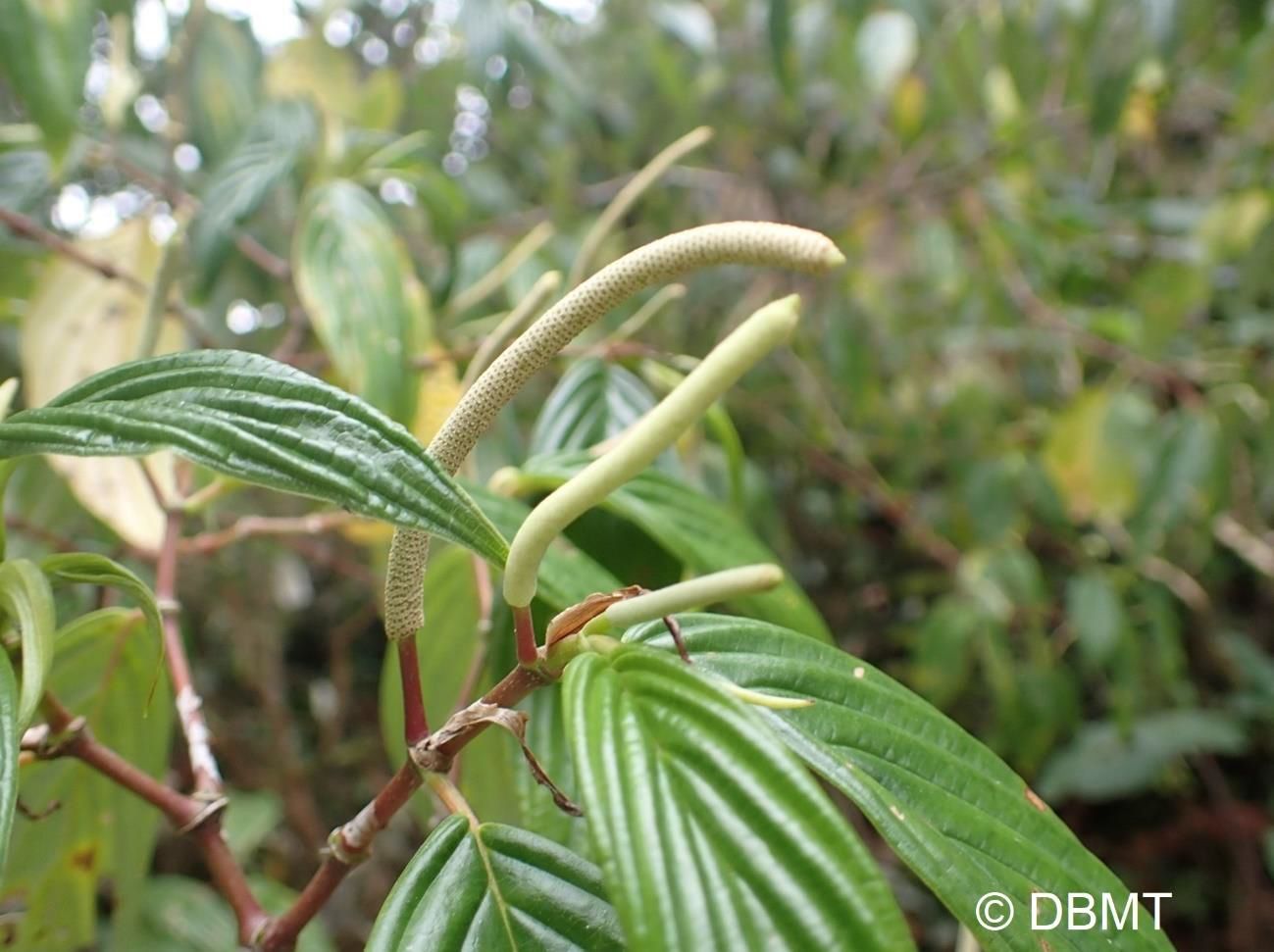
Gardens: El Colibrí, El Eden, Jardin-Chinchango, Shalcapata
Description: Piper subflavispicum is a plant species in the Piperaceae family, found primarily in South America, and is known for its medicinal properties in various healing traditions. Although information on its uses and properties is not as well documented as that of other Piper species, some of the plant's medicinal benefits and applications are known, based on folk tradition and preliminary studies. In Leymebamba, two varieties of matico are recognized: macho and hembra. Both are considered varieties of the same plant, although from a taxonomic perspective, they represent two distinct species.
Medicinal Properties: Piper subflavispicum is a plant with medicinal properties that include anti-inflammatory, antimicrobial, wound healing, and digestive properties. Although scientific research is still limited, its use in traditional medicine remains relevant, especially for the treatment of various common conditions. As with all medicinal plants, it is important to use it with caution and under the guidance of an expert.
1. Anti-inflammatory: It is used in traditional medicine to reduce inflammation in various conditions. Piper subflavispicum leaves are used to treat muscle and joint pain due to their ability to reduce inflammation.
2. Antimicrobial: This plant has antimicrobial properties that help fight bacterial and fungal infections. It is used in infusions and ointments to treat wounds and prevent skin infections.
3. Healing: Like other species of the Piper genus, Piper subflavispicum is used to promote the healing of wounds and ulcers. The leaves or extracts are applied topically to speed the healing process.
4. Digestive: The leaves of Piper subflavispicum are used in infusions to relieve digestive problems such as indigestion, nausea, or flatulence. Its carminative action helps reduce gas formation and improves digestion.
5. Analgesic: In some regions, Piper subflavispicum is believed to have analgesic effects, helping to relieve minor pain such as headaches, muscle aches, or joint pain.
6. Antioxidant: Contains antioxidant compounds that help neutralize free radicals, protecting cells from damage and contributing to overall well-being.
7. Expectorant: Traditionally used to treat respiratory problems such as colds and coughs. It is considered a natural expectorant, helping to expel mucus from the airways.
Methods of Use:
Infusion: The leaves or aerial parts of the plant are boiled to prepare a tea that helps with digestive and respiratory problems.
Poultice: The crushed leaves are applied directly to inflamed areas or wounds to promote healing.
Extracts: Extracts of the plant, either in liquid or powdered form, are used for various medicinal applications, such as in the manufacture of ointments or creams.
Precautions: Although Piper subflavispicum is generally safe for traditional use, caution should be exercised with high doses, especially when used internally. It is recommended that you consult a healthcare professional before use, especially for people with pre-existing conditions or who are taking other medications.
Referencias:
Brack Egg, A. (1999). Diccionario Enciclopédico de Plantas Útiles del Perú. Centro de Estudios Regionales Andinos "Batolomé de las Casas". Lima, Perú. 556 p.
Picard, G., Valadeau, C., Albán–Castillo, J., Rojas, R., Starr, J. R., Callejas-Posada, R., & Arnason, J. T. (2014). Assessment of in vitro pharmacological effect of Neotropical Piperaceae in GABAergic bioassays in relation to plants traditionally used for folk illness by the Yanesha (Peru). Journal of ethnopharmacology, 155(3), 1500-1507.
Soukup, J. (1978). Vocabulario de los nombres vulgares de la flora peruana y catálogo de los géneros. Editorial Salesiana. Lima, Perú. 435 p.