Croton callicarpifolius
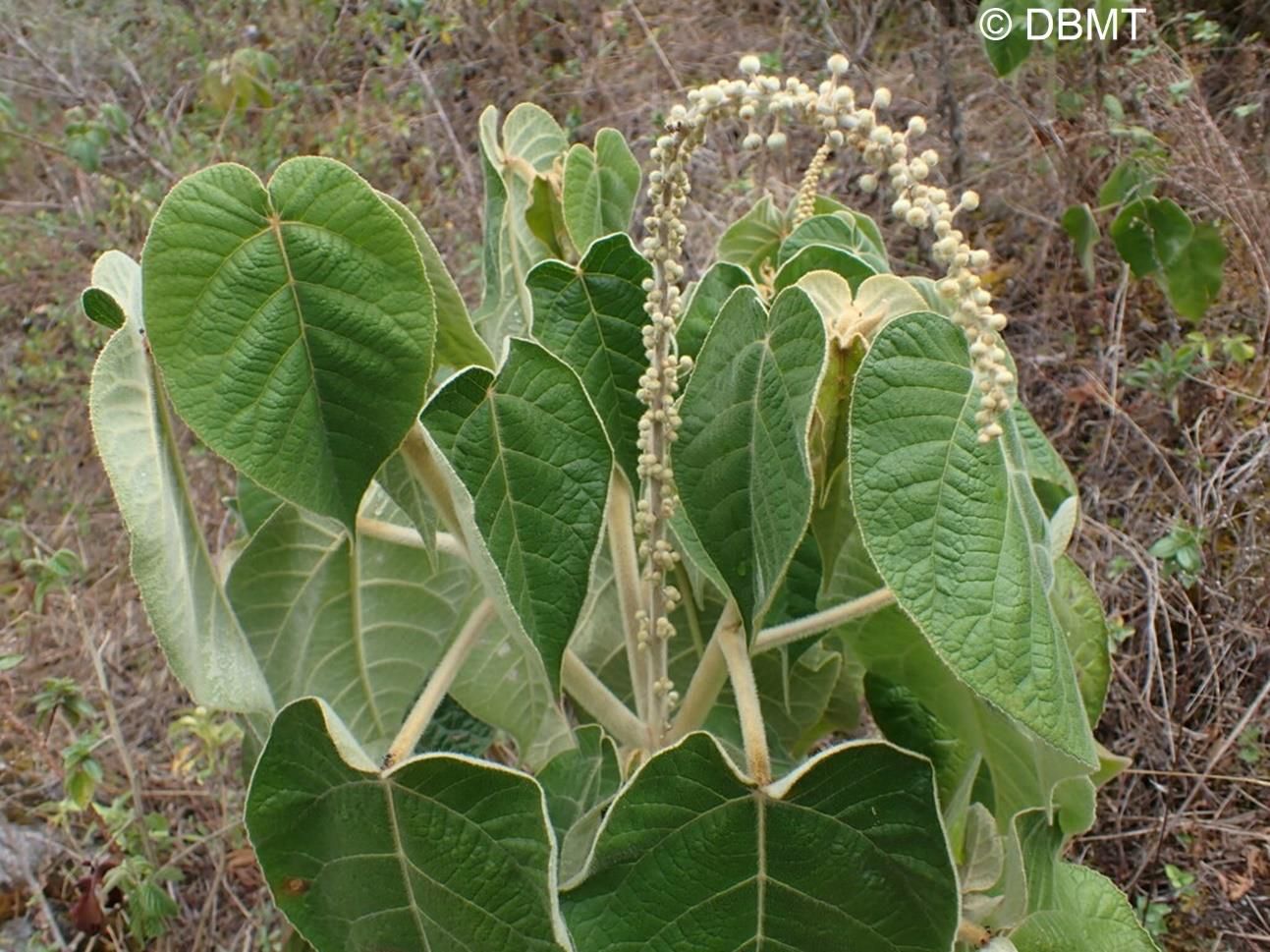
Gardens: Shalcapata
Description: Croton callicarpifolius, a member of the Euphorbiaceae family, is a lesser-known species compared to other members of the Croton genus, such as the famous Croton lechleri (sangre de grado). In the case of Croton callicarpifolius, its traditional use in Peru is not widely documented, but, like many Crotons, it is attributed medicinal properties based on its chemical composition and its use in traditional medicine in the Amazon and Andean regions.
Medicinal properties attributed to Croton callicarpifolius in Peru:
1. Healing and anti-inflammatory properties
The leaves and bark are used in poultices to treat wounds, inflammation, and minor skin conditions.
It is also used in certain communities to relieve pain and swelling in cases of bruises or insect bites.
2. Antimicrobial properties
It is believed to have similar effects to other Crotons, being useful in preventing bacterial or fungal infections in open wounds.
Infusions of its leaves are used to wash wounds or areas affected by infections.
3. Digestive and antiparasitic properties
Decoctions of its leaves are occasionally used as a mild purgative to combat intestinal parasites.
It can also be used to treat minor digestive disorders, such as colic or indigestion.
4. Analgesic Properties
An infusion of the bark is prepared to relieve muscle or joint pain, especially in traditional medicine contexts.
Traditional Use: Knowledge about this plant is passed down orally in local communities. Its use may vary depending on the specific regions where it grows (for example, the Andes or the Amazon).
Chemical Information: The Croton genus is known for its wealth of bioactive compounds, such as alkaloids, terpenoids, and flavonoids. Croton callicarpifolius likely shares chemical properties with other members of the genus, although specific research on this particular species is limited.
Precautions: Like many plants in the Croton genus, its use should be handled with caution, as some compounds can be toxic in high doses. Furthermore, its internal use should be done under supervision, especially in vulnerable populations such as children and pregnant women.
References:
Brack Egg, A. (1999). Diccionario Enciclopédico de Plantas Útiles del Perú. Centro de Estudios Regionales Andinos "Batolomé de las Casas". Lima, Perú. 556 p.
Milanowski, D. J. (1999). Benzylisoquinoline alkaloid chemistry and biology of Croton section Cyclostigma. Washington University in St. Louis.
Soukup, J. (1978). Vocabulario de los nombres vulgares de la flora peruana y catálogo de los géneros. Editorial Salesiana. Lima, Perú. 435 p.