Citrus aurantium
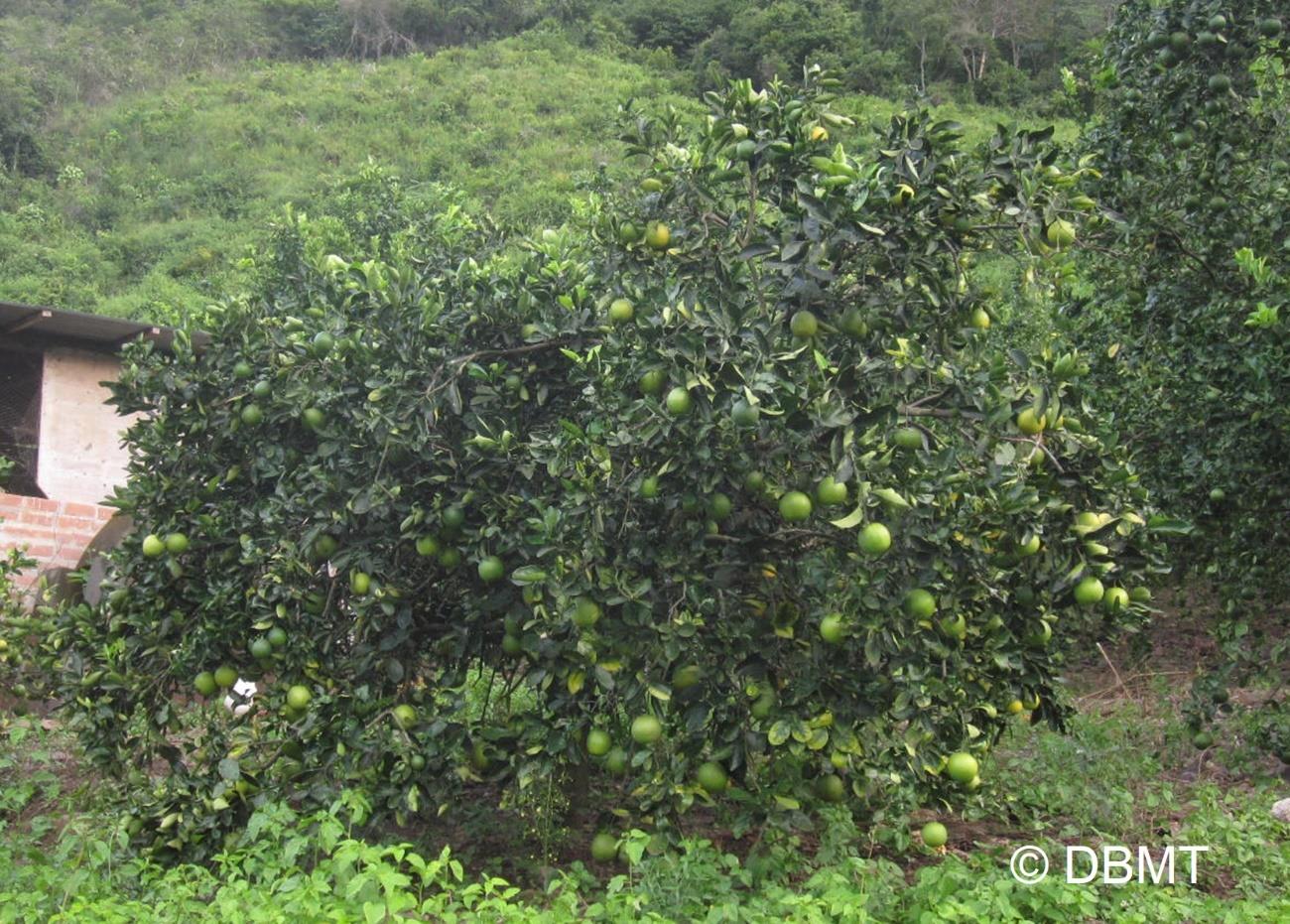
Gardens: Camino de Orquideas, Jardin Maria
Orange Properties: 1. Nutritional Properties Rich in vitamin C: Strengthens the immune system, prevents colds, and improves iron absorption. Antioxidants: Contains flavonoids and phenolic compounds that fight free radicals and prevent cellular aging. Dietary Fiber: Improves digestion and regulates intestinal transit. Low Calorie: Ideal for healthy diets. 2. Medicinal Properties Anti-inflammatory and Antimicrobial: The compounds present in the peel and juice have anti-inflammatory effects and fight mild bacterial infections. Digestive: Consuming the fruit or its infusion helps relieve stomach problems, such as heartburn or indigestion. Cholesterol Regulator: Flavonoids and fiber help reduce bad cholesterol (LDL). Calming: The essential oil of bitter orange peel is used in aromatherapy to reduce stress and anxiety. Uses of oranges: 1. Food Juice and Direct Consumption: Fresh juice is a popular beverage throughout the country, while the pulp is consumed directly or in fruit salads. Preparing Sweets and Desserts: The sweet varieties are used for jams, ice creams, and syrups. Bitter orange peel is common in the preparation of preserves and candies. Condiments and Marinades: Bitter orange is used in marinades and marinades for meats in traditional dishes. Traditional Drinks: In some regions, the juice is used to prepare soft drinks or homemade fermented beverages. 2. Medicinal Uses Infusions: The dried peel is used in infusions to relieve digestive problems, improve sleep, and combat stress. Essential Oils: The oil extracted from the peel has relaxing properties and is used in massages or to treat migraines. It is also used as a natural antiseptic for minor wounds. Homemade Ointments: In traditional medicine, the peels are mixed with alcohol or oils to make ointments that relieve muscle pain. 3. Cosmetics and Home Natural Exfoliants: The ground peel is used as an exfoliant in homemade beauty treatments. Natural Air Fresheners: The fresh or dried peel is used to scent rooms. Homemade Cleaners: The peel is boiled in water or mixed with vinegar to prepare natural cleaning products. Orange Varieties Grown in Peru: In Peru, the most common varieties are: 1. Sweet Orange (Citrus sinensis): Popular on the coast and in the high jungle. Rich in juice and with a lower acid content, it is ideal for fresh consumption. 2. Sour Orange (Citrus aurantium): Grown mainly in inter-Andean valleys. Highly valued for medicinal and culinary uses, and for the production of essential oils. 3. Mandarin Orange (hybrid): Although not a pure orange variety, it is related and is widely consumed for its sweet flavor and easy peeling. Importance in Peru 1. Economic: Orange production is an important source of income for small and medium-sized farmers in regions such as Junín, San Martín, and Cusco. 2. Nutritional and Cultural: It is an essential part of the Peruvian diet, consumed in breakfasts, desserts, and traditional home remedies. 3. Industrial: It is used in the production of processed juices, essential oils, and cosmetic products. The peel and residue are used to make compost or animal feed. Considerations and Recommendations Consume the juice fresh to maximize the vitamin C content, as it degrades rapidly upon contact with air and heat. For medicinal purposes, prefer the bitter orange (Citrus aurantium) due to its higher concentration of active compounds. In crops, promote sustainable practices to maintain productivity and soil quality.
References:
Brack Egg, A. (1999). Diccionario Enciclopédico de Plantas Útiles del Perú. Centro de Estudios Regionales Andinos "Batolomé de las Casas". Lima, Perú. 556 p.
Carvalho-Freitas, M. I. R., & Costa, M. (2002). Anxiolytic and sedative effects of extracts and essential oil from Citrus aurantium L. Biological and Pharmaceutical Bulletin, 25(12), 1629-1633.
Maksoud, S., Abdel-Massih, R. M., Rajha, H. N., Louka, N., Chemat, F., Barba, F. J., & Debs, E. (2021). Citrus aurantium L. active constituents, biological effects and extraction methods. an updated review. Molecules, 26(19), 5832.
Mannucci, C., Calapai, F., Cardia, L., Inferrera, G., D’Arena, G., Di Pietro, M., & Calapai, G. (2018). Clinical Pharmacology of Citrus aurantium and Citrus sinensis for the Treatment of Anxiety. Evidence‐Based Complementary and Alternative Medicine, 2018(1), 3624094.
Soukup, J. (1978). Vocabulario de los nombres vulgares de la flora peruana y catálogo de los géneros. Editorial Salesiana. Lima, Perú. 435 p.
Suntar, I., Khan, H., Patel, S., Celano, R., & Rastrelli, L. (2018). An overview on Citrus aurantium L.: Its functions as food ingredient and therapeutic agent. Oxidative medicine and cellular longevity, 2018(1), 7864269.