Juglans neotropica
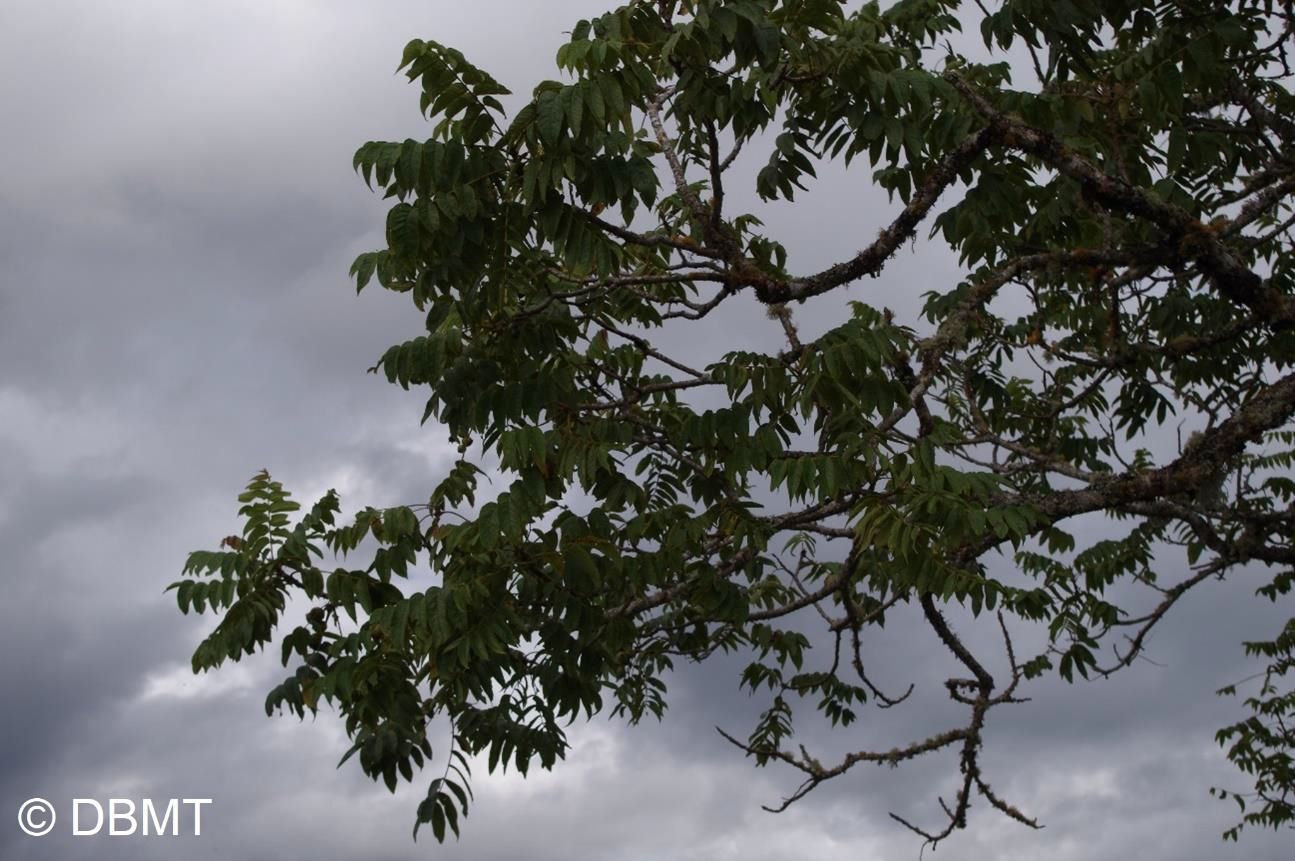
Gardens: Shalcapata, Lili and Rodolfo
Traditional uses in Leymebamba: edible nuts, wood, produces a brown dye primarily used for traditional Leymebamba ponchos.
Description: The Andean walnut (Juglans neotropica) is an invaluable species for Peru, both for its medicinal properties and for its economic and ecological uses. Its preservation must be a priority, promoting sustainable practices that ensure its availability for future generations.
Distribution in Peru: It is found in montane and submontane forests between 1,500 and 3,000 m above sea level, in regions such as Amazonas, Cajamarca, Junín, Cusco, and other Andean areas. It is a native species of great ecological, economic, and cultural value.
Medicinal Properties: The Andean walnut is recognized for several medicinal properties that are traditionally utilized:
1. Anti-inflammatory and analgesic properties: Leaf infusions are used to relieve muscle, joint, and rheumatic pain.
2. Digestive Properties: The leaves and green peels are used in infusions to treat stomach problems such as diarrhea and colic.
3. Healing Properties: The crushed leaves or decoctions are applied to wounds, cuts, and ulcers to accelerate healing and prevent infection.
4. Detoxifying and Blood Purifying: Traditionally, consuming leaf infusions is believed to help eliminate toxins from the body.
5. Natural Antiseptic: The leaves and peels have antimicrobial properties and are used to treat skin infections and clean wounds.
Traditional and Current Uses in Peru:
1. High-Quality Wood: Juglans neotropica wood is valued for its durability, strength, and beauty. It is used in the manufacture of fine furniture, flooring, musical instruments, and handicrafts.
2. Production of Natural Dye: The shell and leaves are used to obtain dark dyes used in textiles and handicrafts.
3. Edible Nuts: Although less well-known than other nuts, its nuts have a similar flavor and are rich in healthy oils, proteins, and antioxidants.
4. Reforestation and Conservation: It is a key species in ecological restoration projects due to its role in soil stabilization, providing shade, and supporting biodiversity.
Nutritional Properties of the Nut:
Essential Fatty Acids: Rich in omega-3 and omega-6, which support cardiovascular health.
Vitamins: Contains vitamin E and B complex, essential for cellular health and the nervous system.
Minerals: Source of magnesium, phosphorus, and zinc, important for bone health and the immune system.
Antioxidants: Protects against cell damage and reduces the risk of chronic diseases.
Ecological Impacts and Conservation: The Andean walnut tree faces significant threats due to indiscriminate logging and the loss of its natural habitat. It is important to highlight:
1. Importance for biodiversity:
It provides food and shelter for birds, mammals, and other organisms.
Its presence promotes the stability of montane forest ecosystems.
2. Vulnerable species: Due to its high exploitation for timber, it is classified as an endangered species in several regions of the Andes.
3. Conservation initiatives:
Promoting its sustainable cultivation and use in agroforestry can help mitigate its uncontrolled exploitation.
Reforestation efforts are included in some rural communities in the Peruvian Andes.
Sustainable Use Recommendations
Promote its cultivation in agroforestry systems: Harvest its fruits and timber without harming wild populations.
Environmental education: Teach local communities about its ecological and cultural importance to prevent overexploitation.
Legal protection: Create regulations that regulate logging and promote its conservation in its natural habitat.
Referencias:
Aradhya, M. K., Potter, D., Gao, F., & Simon, C. J. (2007). Molecular phylogeny of Juglans (Juglandaceae): a biogeographic perspective. Tree Genetics & Genomes, 3, 363-378.
Brack Egg, A. (1999). Diccionario Enciclopédico de Plantas Útiles del Perú. Centro de Estudios Regionales Andinos "Batolomé de las Casas". Lima, Perú. 556 p.
Manning, W. E. (1960). The genus Juglans in South America and the west indies. Brittonia, 12(1), 1-26.
Nieto, V. M., & Rodríguez, J. (2002). Juglans neotropica Diels. Tropical seed manual. United States Department of Agriculture Forest Service. USA.
Palacios-Herrera, B., Pereira-Lorenzo, S., & Pucha-Cofrep, D. (2023). Natural and Artificial Occurrence, Structure, and Abundance of Juglans neotropica Diels in Southern Ecuador. Agronomy, 13(10), 2531.
Ramírez, F. (2022). Nut length–weight relationships in the endangered Nogal (Juglans neotropica Diels). Genetic Resources and Crop Evolution, 69(5), 1731-1736.
Soukup, J. (1978). Vocabulario de los nombres vulgares de la flora peruana y catálogo de los géneros. Editorial Salesiana. Lima, Perú. 435 p.