Cavendishia bracteata
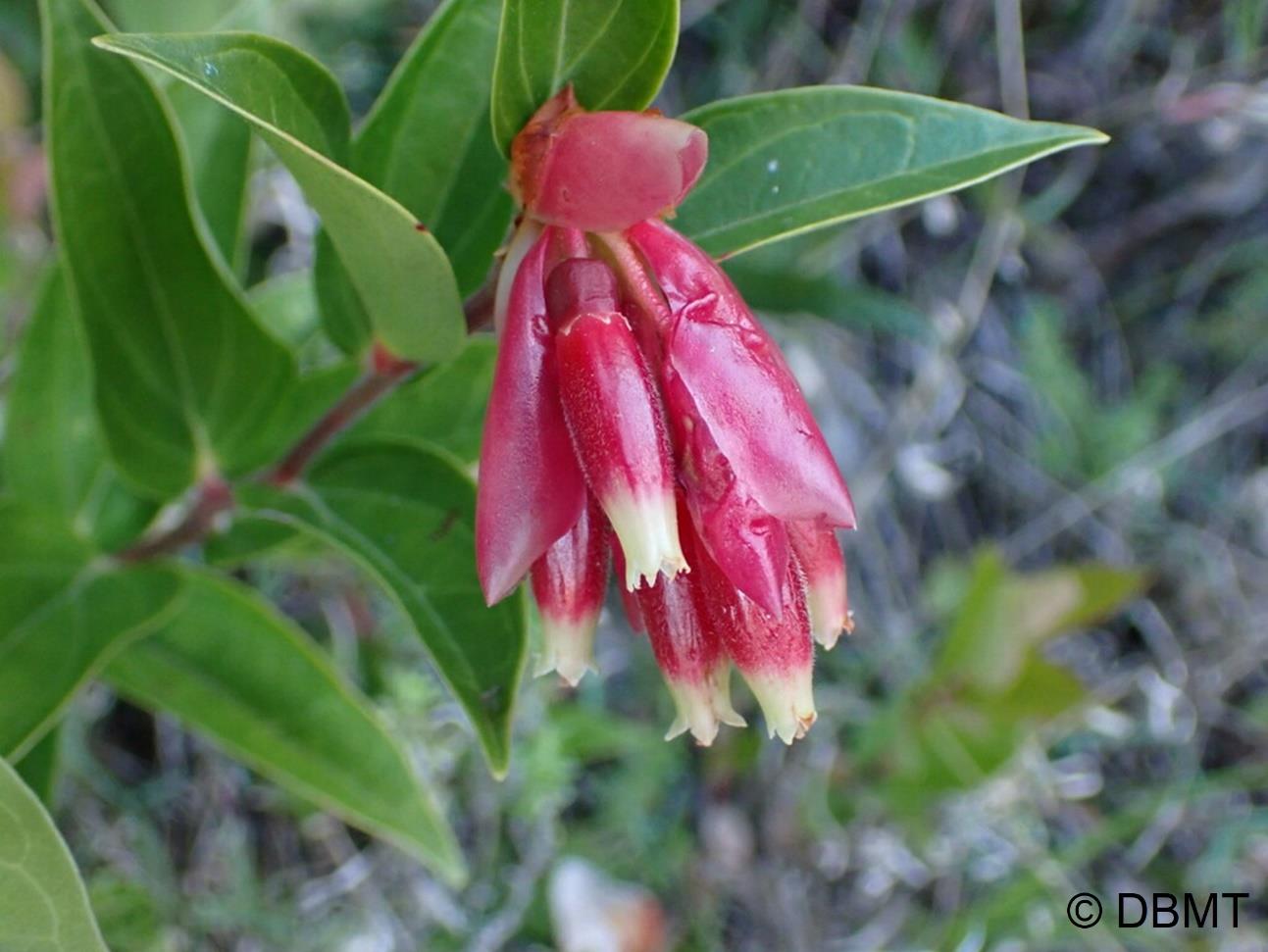
Gardens: Shalcapata
Description: Although Cavendishia bracteata is not widely known outside its local habitat, its richness in bioactive compounds and its integration into sustainable agricultural practices make it a plant with great potential to promote both health and environmental conservation. It is recommended to encourage its study and use in commercial and medicinal contexts. Properties and Uses: 1. Nutritional: -Fruits rich in antioxidants: The fruits of Cavendishia bracteata contain anthocyanins and other antioxidant compounds that help combat cellular damage caused by free radicals. They are a source of vitamins (such as vitamin C) and essential minerals. -High fiber content: Promotes intestinal transit and healthy digestion. 2. Medicinal -Anti-inflammatory and antioxidant properties: Local communities use the fruits and leaves in the form of infusions to reduce inflammation and strengthen the immune system. -Use for urinary tract infections: Decoctions of the plant are traditionally used to treat urinary problems, possibly due to its diuretic properties. -Improvements in blood circulation: The antioxidants present in the fruits are believed to benefit cardiovascular health, although these uses are primarily empirical. 3. Cultural and Gastronomic: The fruits are consumed fresh or used in the preparation of drinks, jams, and desserts. 4. Ecological - In Andean and Amazonian communities, the plant is also valued as part of agroforestry systems for its contribution to crop diversity and its ability to improve soil resilience. - The plant acts as a keystone species in montane forests, attracting birds and pollinators with its fruits and flowers. - Erosion Control - Its presence on sloping soils helps stabilize them and prevent landslides. 5. Economic Importance: In some regions of Peru, Cavendishia bracteata has economic potential for cultivation and commercialization, especially due to the growing demand for foods rich in antioxidants and with functional properties. Although its production is still limited, it could be integrated into sustainable agroforestry initiatives.
References
Archila, E. G., Rojas-Bautista, F., Garcia, N., & Vasquez, J. A. C. (2022). A promising blueberry from Colombia: antioxidant activity, nutritional and phytochemical composition of Cavendishia nitida (Kunth) AC Sm. Heliyon, 8(5).