Pinus radiata
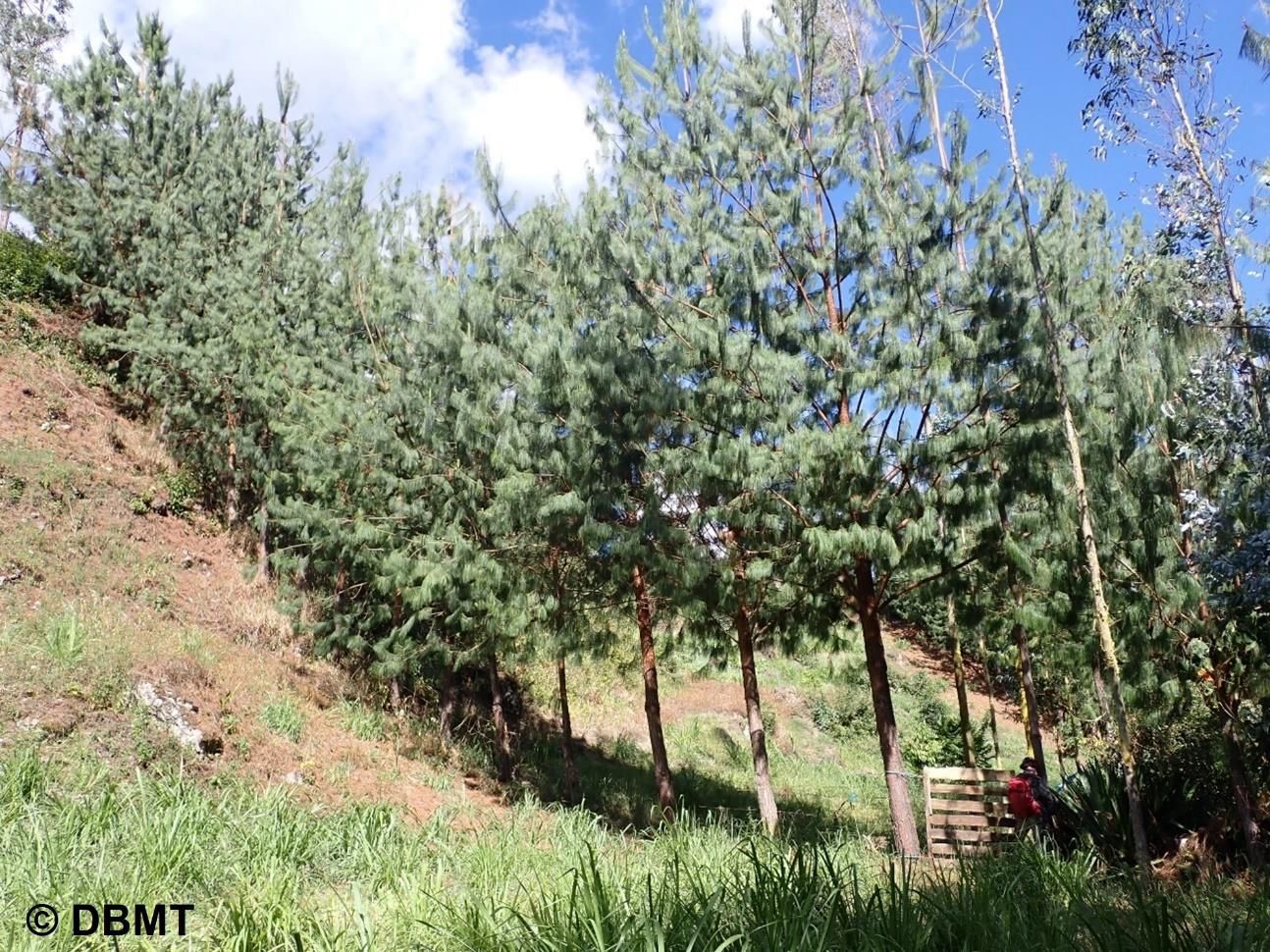
Gardens: Lili and Rodolfo
Medicinal Properties: In Peru, the medicinal use of Pinus radiata is not traditional, but as in other regions, it may offer certain benefits related to the bioactive components of its resins, essential oils, and needles. These include:
1. Anti-inflammatory Properties: Infusions of the needles or their essential oil are used to relieve muscular and rheumatic pain.
2. Expectorant and Antiseptic Properties: The resin and vapors from the essential oil are used to treat colds, nasal congestion, and respiratory problems.
3. Skin Care: The resin is applied topically to treat wounds and prevent infections.
4. Relaxing: Steam baths with the leaves or essential oil have a calming effect, helping with stress and fatigue.
5. Diuretic Properties: In folk medicine, moderate consumption of preparations containing the needles is said to help stimulate diuresis.
Negative Impacts of Pinus radiata Cultivation in Peru
The intensive cultivation of Pinus radiata in Peru, especially in high Andean regions, generates significant ecological and social impacts that must be considered:
1. Soil Depletion:
Acidification: The fallen needles of Pinus radiata release compounds that acidify the soil, affecting fertility and hindering the growth of other plants.
Reduction of Organic Matter: The accumulation of leaf litter hinders the natural regeneration of native species by limiting balanced decomposition.
2. Loss of Native Species:
Ecological Competition: Their rapid growth and invasive expansion displace native species that are crucial for local biodiversity, affecting entire food chains.
Ecosystem Alteration: Their presence can change the local microclimate, hindering the regeneration of Andean forests.
3. High Water Demand: Pinus radiata consumes large amounts of water, exacerbating drought problems in sensitive areas.
4. Unsustainable Monoculture: The massive cultivation of this species encourages a monoculture model that reduces ecological resilience to pests and diseases.
5. Impacts on wildlife: By modifying habitats and reducing floral diversity, their presence affects birds, insects, and mammals that depend on native ecosystems.
Recommendations for Peru: While Pinus radiata has medicinal uses and can be an economical option in the timber industry, its cultivation must be extremely controlled and limited in Peru due to its negative impacts on native ecosystems and soils. Its implementation must consider a sustainability perspective, always prioritizing biodiversity conservation and the well-being of local communities.
1. Cultivation Limitation: It should only be planted in previously degraded areas and under sustainable management plans, avoiding areas with high biodiversity or fragile ecosystems such as páramos or native forests.
2. Promotion of Native Species: Prioritize the use of native trees for reforestation and ecological restoration, such as Polylepis spp., Budleja incana, or Escallonia spp., which have a positive impact on the ecosystem and promote conservation.
3. Monitoring and Regulation: Implement policies that limit the areas designated for Pinus radiata and prohibit its cultivation in protected or priority biodiversity areas.
4. Environmental education: Raise awareness among communities and agricultural sectors about the negative effects of Pinus radiata and encourage the use of sustainable alternatives.
5. Research and sustainable management: Promote studies to improve management techniques for this species and assess its long-term environmental impact.
Referencias:
Brack Egg, A. (1999). Diccionario Enciclopédico de Plantas Útiles del Perú. Centro de Estudios Regionales Andinos "Batolomé de las Casas". Lima, Perú. 556 p.
Canchari, N. N. U., Baral, P., & Wang, L. (2018). Local Contributions of Forests to Economic Growth of Peru: A Case of Plantations. Economics, 6(1), 17-31.
Soukup, J. (1978). Vocabulario de los nombres vulgares de la flora peruana y catálogo de los géneros. Editorial Salesiana. Lima, Perú. 435 p.