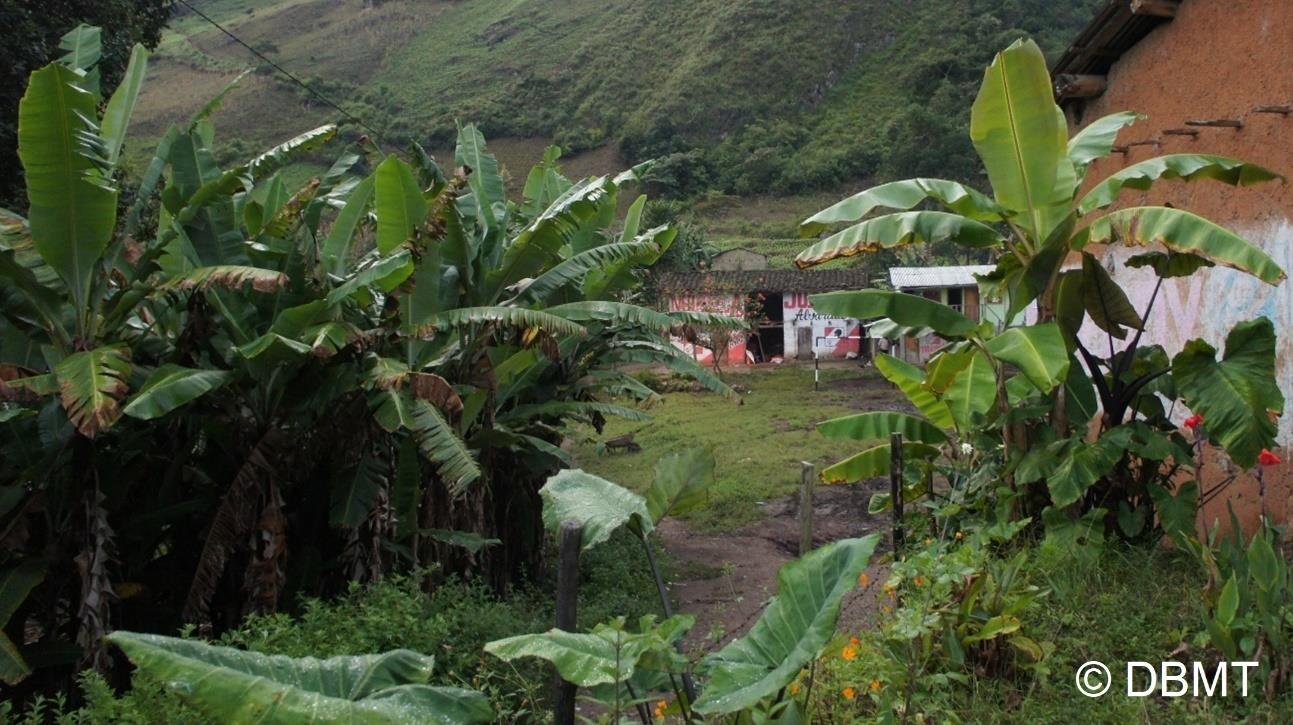
Gardens: Camino de Orquídeas, El Eden
Description: The plantain (Musa spp.) is much more than just a fruit in Peru. Its nutritional versatility, medicinal properties, cultural uses, and impact on the rural economy make it an essential resource for Peruvian families. As the demand for organic and sustainable products grows, the plantain is positioned as a key product for the country's agricultural and economic development.
Nutritional Properties: The plantain is an important source of energy and essential nutrients. It contains:
1. Macronutrients:
Carbohydrates: Primarily in the form of natural sugars (fructose, glucose, and sucrose).
Dietary Fiber: Promotes healthy digestion.
2. Vitamins:
-Vitamin B6: Supports the production of neurotransmitters and improves metabolism.
-Vitamin C: Acts as an antioxidant and strengthens the immune system.
3. Minerals:
-Potassium: Essential for electrolyte balance and muscle function.
-Magnesium: Important for muscle relaxation and bone health.
4. Antioxidants: Contains dopamine and catechins, which combat oxidative stress.
Uses of plantain in Peru
1. Food Uses
Fresh: Eaten as a ripe fruit, it is a natural, energizing, and affordable snack.
Culinary Preparations:
Green Plantain: Base for dishes such as tacacho (roasted or fried plantain mixed with lard and pork rinds, typical of the Amazon).
Ripe Plantain: Fried, boiled, or roasted, it is used as a garnish in jungle and coastal cuisine.
Plantain Flour: Used in the preparation of gluten-free breads and desserts.
Plantain Chips: A healthy and crunchy snack.
Beverages: In smoothies or juices with milk or water, as part of an energizing breakfast.
2. Medicinal Uses: In traditional Peruvian medicine, plantains are used for various purposes:
Digestion: Ripe plantains are gentle on the stomach and help treat problems such as heartburn and gastritis.
The fiber in bananas regulates intestinal transit, relieving both constipation and diarrhea (especially cooked green bananas).
Source of energy: Recommended for people who engage in intense physical activity, thanks to its rapid digestion and carbohydrate content.
Blood pressure: The potassium content helps reduce high blood pressure and improves cardiovascular health.
Anti-inflammatory: Poultices made from banana peels are used in rural areas to soothe inflammation or minor burns.
Antidepressant properties: The tryptophans present in bananas can help improve mood as they are precursors of serotonin.
3. Uses in Agriculture and Rural Economy
Fodder: The entire plantain plant, including leaves and pseudostems, is used as livestock feed.
Natural Fertilizer: Plantain peels are used as compost due to their rich mineral content.
Sustainability: Plantain pseudostems and fibers have been used in some places to make handmade paper and textiles.
5. Cosmetic Uses
Skin Care: Plantain pulp and peel are used in natural masks to moisturize the skin and reduce wrinkles.
Hair Care: It softens and nourishes dry and damaged hair and is used in home treatments mixed with honey or natural oils.
6. Lime Production: In some parts of the Andes, plantain peels are burned to produce calcium bicarbonate, a product used in coca chewing to produce a stronger, energizing effect.
Economic Importance in Peru: Plantain cultivation has a major impact on Peru's rural economy:
Production and Export: Peru exports organic plantains, mainly to Europe and the United States.
Economic Sustainability: It is one of the main sources of income for small farmers in the jungle and the northern coast.
Adaptability: It grows in varied soils and can be grown in humid climates, making it key for food security.
Precautions and Considerations
Excessive Consumption: For people with kidney problems, the high potassium content could be harmful.
Allergens: Although rare, some people may experience allergies to plantains.
Ripening: Consuming overly green or overly ripe plantains could cause digestive discomfort in some sensitive individuals.
References:
Brack Egg, A. (1999). Diccionario Enciclopédico de Plantas Útiles del Perú. Centro de Estudios Regionales Andinos "Batolomé de las Casas". Lima, Perú. 556 p.
Soukup, J. (1978). Vocabulario de los nombres vulgares de la flora peruana y catálogo de los géneros. Editorial Salesiana. Lima, Perú. 435 p.