Minthostachys mollis
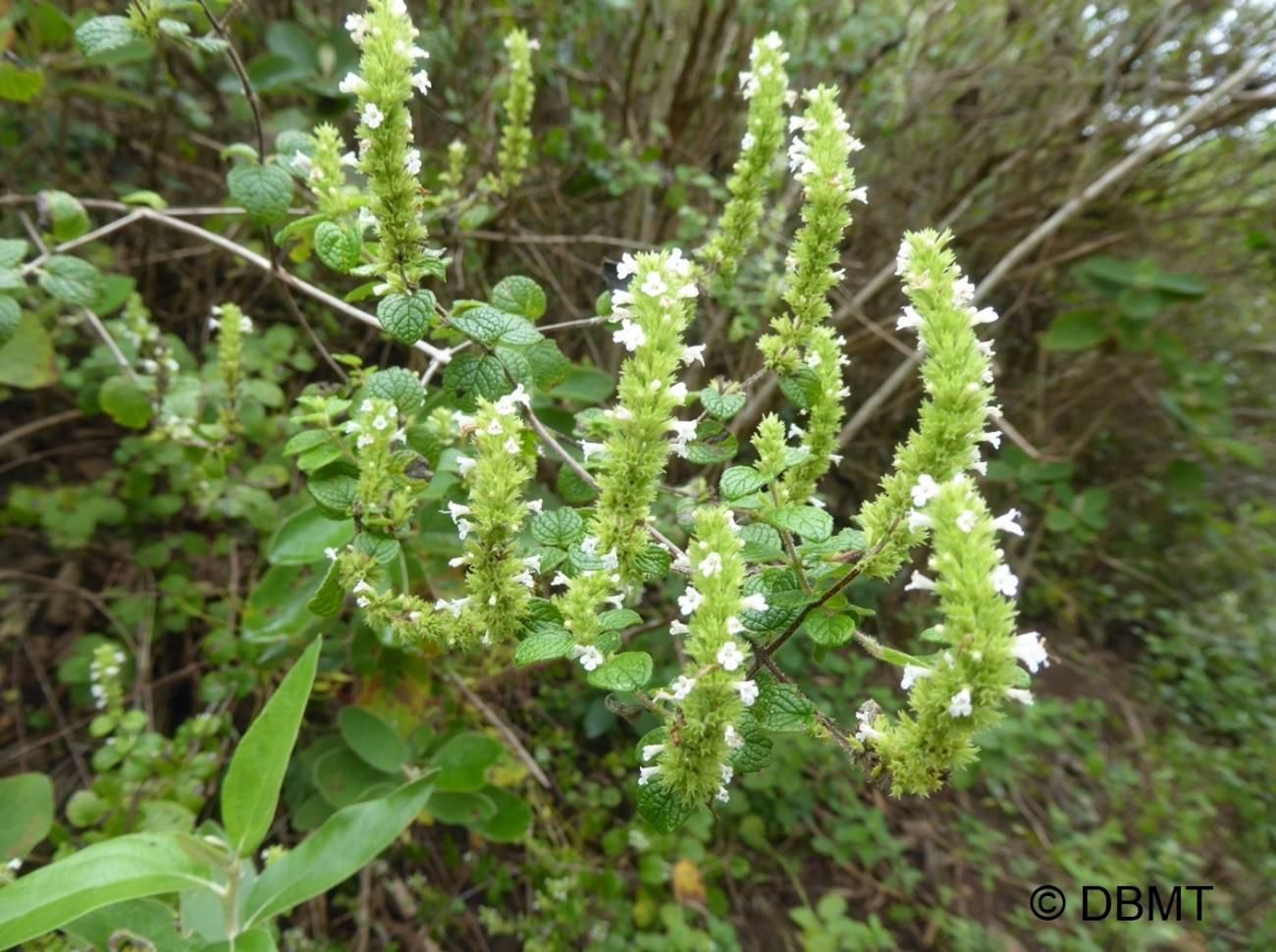
Gardens: El Eden, Shalcapata, Lili and Rodolfo
Description:
Minthostachys mollis, commonly known as muña or muña, is a plant native to the Andes, part of the Lamiaceae family. It is highly valued in Peru, especially in the high Andean regions, for its medicinal, culinary, and ceremonial uses, and is considered an essential plant in traditional medicine.
Medicinal Properties:
1. Digestive Properties:
It promotes digestion and relieves stomach ailments such as bloating, gas, and colic.
It is used to treat gastritis and regulate the digestive system.
2. Antiseptic and Antibacterial Properties:
Its essential oils have antimicrobial effects, making them useful for preventing infections.
It is effective against fungi and bacteria that affect the skin and mucous membranes.
3. Expectorant and Antitussive Properties:
It relieves respiratory problems such as colds, flu, and bronchitis.
Helps decongest the respiratory tract and soothe coughs.
4. Analgesic and Anti-inflammatory Properties:
Used to relieve muscle, rheumatic, and joint pain.
It is also applied in the form of compresses or poultices to reduce inflammation.
5. Calming Properties:
In infusions, it acts as a mild relaxant to relieve stress and promote sleep.
It reduces anxiety and helps combat tension headaches.
6. Antioxidant Properties:
Rich in antioxidant compounds that help protect cells from oxidative damage.
Traditional Uses in Peru:
1. Medicinal Use:
Infusions: Prepared with fresh or dried leaves, they are used for digestive and respiratory problems, and as a relaxant.
Inhalations: Boiled leaves are used to inhale the steam and treat nasal congestion and sinusitis.
Topical: Essential oils or poultices of crushed leaves are applied to the skin to relieve pain or heal wounds.
2. Culinary Use:
Its fresh or dried leaves are used as a condiment in traditional Andean cuisine, especially in soups, stews, and meat dishes, for its minty aroma and flavor.
It is used in the preparation of traditional hot beverages, such as mates.
3. Ceremonial and Cultural Use:
In Andean communities, muña is used in rituals of gratitude to Pachamama (Mother Earth).
It is used as part of energy cleansings and incense burns.
4. Agroecological Use:
Muña acts as a natural insect and pest repellent, protecting crops in an ecologically sound manner.
It is valued in sustainable agricultural practices.
5. Industrial Use:
Its essential oils are used in the production of cosmetic and pharmaceutical products, such as soaps, ointments, and balms.
Important Considerations
Excessive consumption can cause stomach irritation in sensitive individuals. It is recommended to consume it in moderation.
Pregnant or breastfeeding women should avoid its use without medical consultation, as it can have stimulating effects on the uterus.
Importance in Peru: In Peru, muña is considered a valuable resource in high Andean communities, where its use is passed down from generation to generation. Its cultivation and harvesting are associated with the sustainable management of Andean ecosystems, and its inclusion in native plant enhancement programs reinforces its role as an icon of Peruvian biodiversity
References
Benites, J., Guerrero-Castilla, A., Salas, F., Martinez, J. L., Jara-Aguilar, R., Venegas-Casanova, E. A., & Calderon, P. B. (2018). Chemical composition, in vitro cytotoxic and antioxidant activities of the essential oil of Peruvian Minthostachys mollis Griseb. Bol Latinoam Caribe Plant Med Aromat, 17(6), 566-574.
Rojas-Armas, J. P., Arroyo-Acevedo, J. L., Ortiz-Sánchez, J. M., Palomino-Pacheco, M., Hilario-Vargas, H. J., Herrera-Calderón, O., & Hilario-Vargas, J. (2019). Potential toxicity of the essential oil from Minthostachys mollis: A medicinal plant commonly used in the traditional Andean medicine in Peru. Journal of Toxicology, 2019(1), 1987935.
Schmidt-Lebuhn, A. N. (2008). Ethnobotany, biochemistry and pharmacology of Minthostachys (Lamiaceae). Journal of ethnopharmacology, 118(3), 343-353.
Soukup, J. (1978). Vocabulario de los nombres vulgares de la flora peruana y catálogo de los géneros.Editorial Salesiana. Lima, Perú. 435 p.