Cinchona officinalis
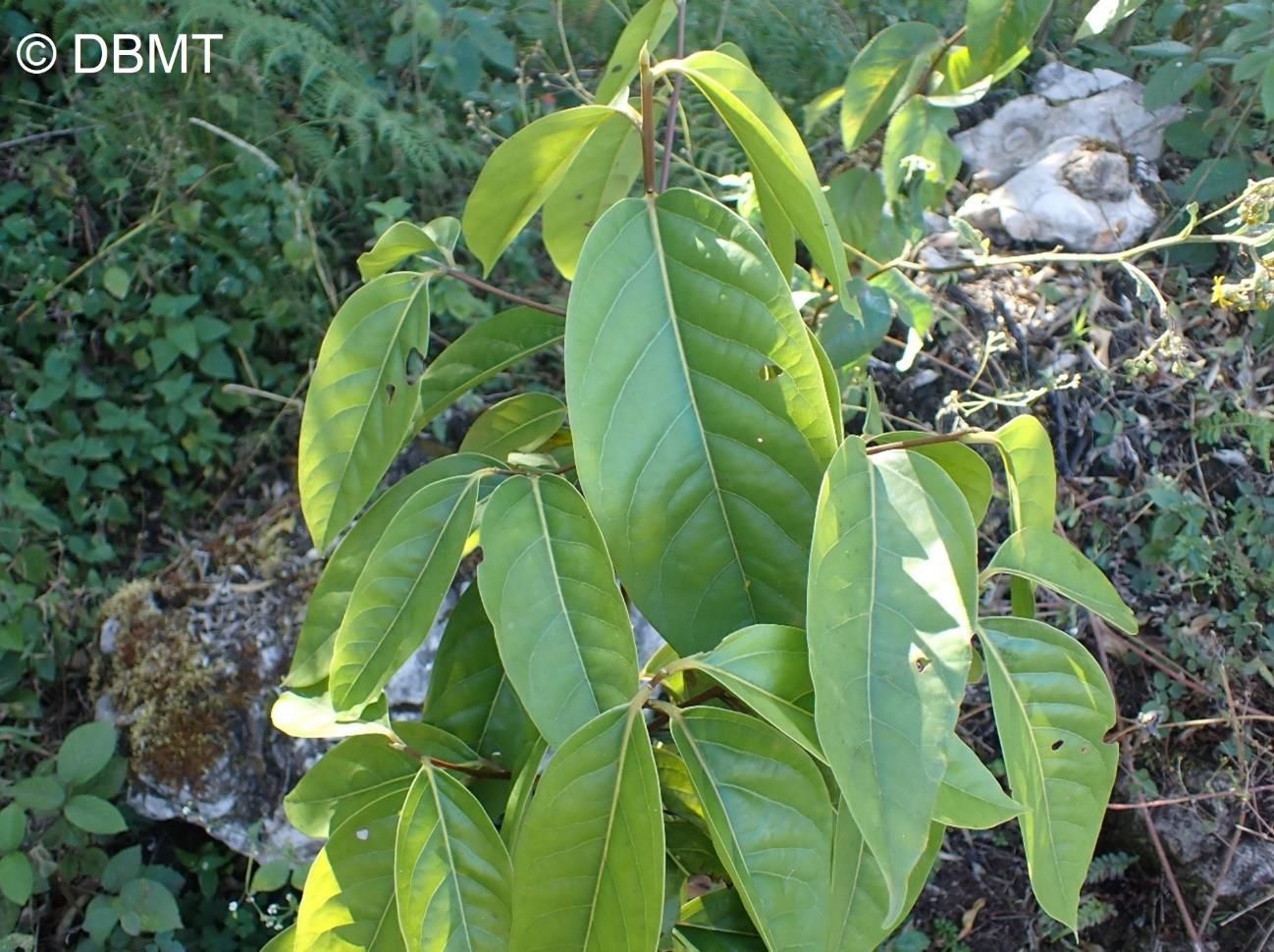
Gardens: Jardin-Chinchango, Shalcapata
Description: Cinchona officinalis, known as cinchona, is an emblematic plant of Peru and South America, recognized for its historical and current medicinal properties. Its main uses are described below:
1. Antimalarial: Cinchona bark contains alkaloids, primarily quinine, which has been traditionally used to treat malaria. This use is one of the most significant in the history of medicine, being the first effective treatment for this disease.
2. Antipyretic: Cinchona is used to reduce persistent fevers, especially those associated with tropical infections. Its antipyretic properties are associated with its ability to regulate body temperature.
3. Digestive: Extracts from the bark have tonic properties, stimulating the secretion of gastric juices and improving appetite. It is used to treat cases of indigestion and stomach weakness.
4. Analgesic: The alkaloids in cinchona have analgesic effects, relieving moderate pain associated with fever and other conditions.
5. Anti-inflammatory: A decoction of its bark is used topically to reduce inflammation and accelerate wound healing.
6. Antimicrobial: The compounds in Cinchona officinalis have demonstrated activity against certain microorganisms, reinforcing its usefulness in traditional medicine.
Referencias:
Arumugam, S., Vadivel, K., Dhaked, D. K., Prasanna, V. S., Yellurkar, M. L., Das, P., & Velayutham, R. (2024). Antiviral Activity of Cinchona officinalis, a Homeopathic Medicine, against COVID-19. Homeopathy, 113(01), 016-024.
Brack Egg, A. (1999). Diccionario Enciclopédico de Plantas Útiles del Perú. Centro de Estudios Regionales Andinos "Batolomé de las Casas". Lima, Perú. 556 p.
Kinsley-Scott, T. R., & Norton, S. A. (2003). Useful plants of dermatology. VII: cinchona and antimalarials. Journal of the American Academy of Dermatology, 49(3), 499-502.
Maehle, A. H. (1999). Peruvian Bark: From Specific Febrifuge to Universal Remedy. In Drugs on Trial (pp. 223-309). Brill.
MN, R., & Padh, H. (2003). Antioxidant activity of Cinchona officinalis stem bark extracts. Advances in Traditional Medicine, 3(4), 205-211.
Ravishankara, M. N., Shrivastava, N., Padh, H., & Rajani, M. (2001). HPTLC method for the estimation of alkaloids of Cinchona officinalis stem bark and its marketed formulations. Planta medica, 67(03), 294-296.
Soukup, J. (1978). Vocabulario de los nombres vulgares de la flora peruana y catálogo de los géneros. Editorial Salesiana. Lima, Perú. 435 p.