Sambucus peruviana
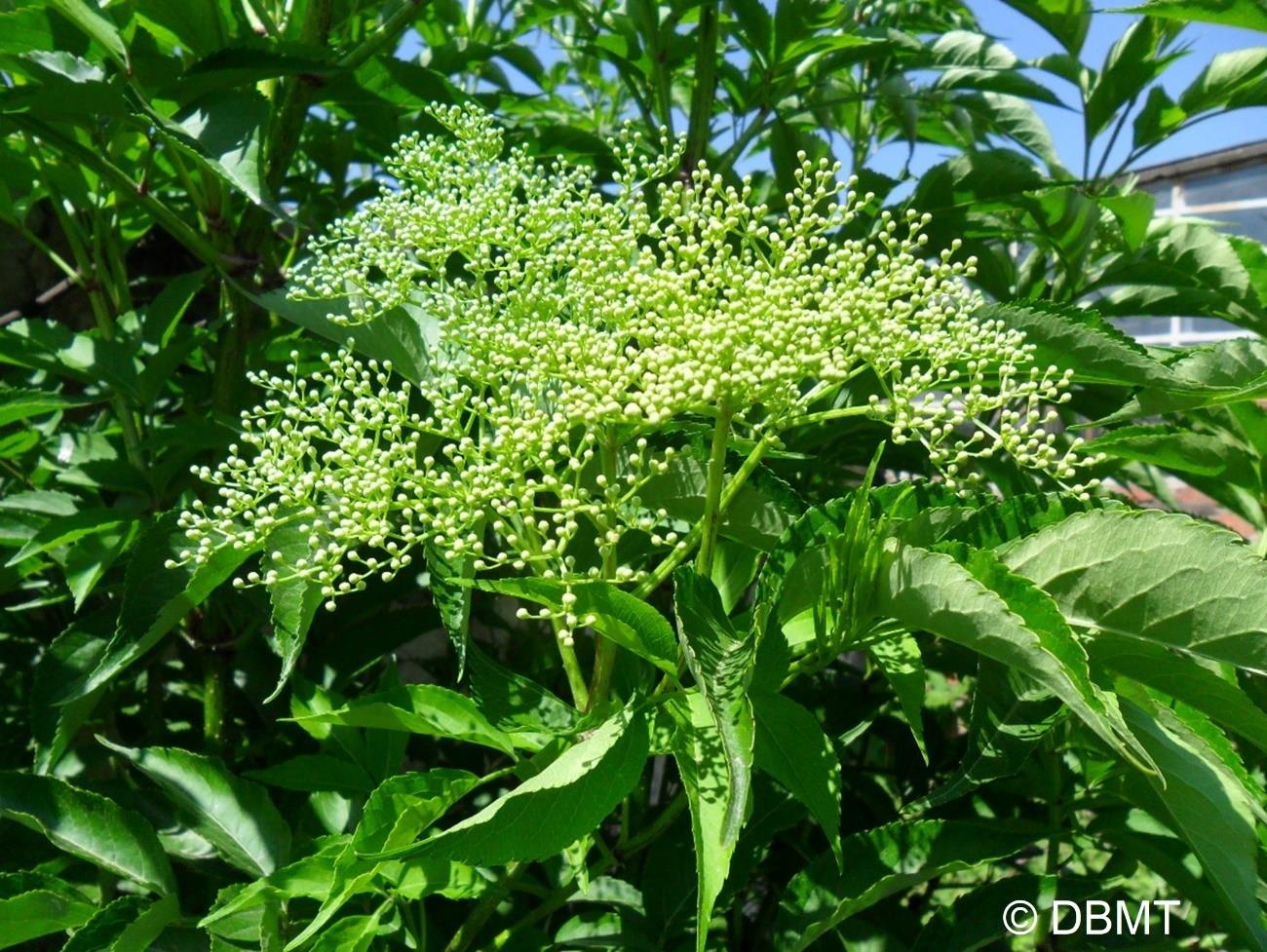
Jardins: El Eden, Camino de Orquídeas, Shalcapata
Traditional uses in Leymebamba: It is prepared in jams, cultivated for windbreaks (source: Don Jabier Farje), and used to form fences. Description: The Peruvian elderberry (Sambucus peruviana) is a shrub or small tree native to the Andes, known in Peru for its medicinal, culinary, and cultural uses. It is found primarily in high Andean regions, adapting to altitudes between 2,000 and 3,800 meters above sea level. Its fruit, leaves, bark, and flowers have traditionally been used in Peruvian folk medicine. It is a versatile plant with a rich tradition in Peru. Its medicinal properties, especially for respiratory and rheumatic conditions, make it a valuable resource in traditional medicine. Furthermore, its fruits and flowers have culinary applications, while its resilience and environmental resilience make it ideal for reforestation projects in the Andes. In Peru, elderberry is widely known for its use in traditional Andean medicine, especially in the high Andean regions of Cusco, Puno, and Ayacucho. It's a common plant in home gardens and an important part of traditional pharmacopoeia, used to treat everything from flu to digestive problems. Properties: 1. Medicinal Properties: Anti-inflammatory: Effective in the treatment of muscle pain, rheumatism, and arthritis. Expectorant and decongestant: Helps relieve respiratory conditions such as colds, flu, bronchitis, and asthma. Diuretic: Promotes fluid elimination, useful for kidney problems and fluid retention. Antioxidant: Its fruits contain flavonoids and phenolic compounds that fight free radicals and strengthen the immune system. Antiseptic: The flowers and leaves are used to clean wounds and prevent infections. Mild laxative: The fruits and bark regulate intestinal transit. Antipyretic: Useful for reducing fever in viral infections. 2. Chemical Composition: Flavonoids: Quercetin and rutin, responsible for its antioxidant and anti-inflammatory effects. Phenolic acids: Such as gallic acid, which enhances its antimicrobial capacity. Vitamins: Rich in vitamins C and A, essential for strengthening the immune system and improving skin health. Minerals: Calcium, iron, and potassium. Essential oils: In flowers and leaves, with calming and relaxing properties. Uses of Elderberry (Sambucus peruviana) 1. Medicinal Uses: Flower infusion: Used to treat colds, coughs, fever, and respiratory problems. It is also used as a diuretic. Bark or fruit decoction: Traditionally used as a mild laxative or for gastrointestinal problems. Leaf poultices: These are applied to wounds, insect bites, swelling, or muscle pain. Syrups: The fruits are processed to make natural syrups that relieve coughs and improve nasal congestion. Steam baths: The flowers are used in baths to relieve rheumatic pain and purify the skin. 2. Culinary Uses: Fruits: They are used to make jams, jellies, juices, and wines. Their sweet and sour flavor is characteristic. Flowers: They are used in infusions or to flavor traditional drinks and desserts. Young leaves: In small quantities, they can be added to medicinal preparations, although they must be processed properly due to their content of potentially toxic compounds. 3. Agricultural and Environmental Uses: Erosion Control: Due to its ability to adapt to degraded soils, elderberry is used in reforestation and soil restoration programs in the Peruvian Andes. Fences: Its rapid growth makes it ideal for delimiting land in rural communities. Precautions Toxicity: The seeds, bark, and leaves contain cyanogenic compounds (a precursor to cyanide) in small amounts, so they must be properly processed before consumption. Pregnancy and Breastfeeding: Its use is not recommended without medical supervision. Excessive consumption: May cause stomach upset or diarrhea.
Referencias:
Brack Egg, A. (1999). Diccionario Enciclopédico de Plantas Útiles del Perú. Centro de Estudios Regionales Andinos "Batolomé de las Casas". Lima, Perú. 556 p.
Molano, C. E. R., Fonseca-López, D., Monroy, L. E. N., López, A. E. S., Concha, J. L. H., Ramírez, I. D. O., & Lagos, N. R. T. (2019). Caracterización nutricional y de producción de biomasa de Sambucus peruviana, Sambucus nigra y Morus alba en un banco forrajero. Ciencia en Desarrollo, 10(2), 23-32.
Pangestu, N. P., Miyagusuku-Cruzado, G., & Giusti, M. M. (2020). Copigmentation with chlorogenic and ferulic acid affected color and anthocyanin stability in model beverages colored with Sambucus peruviana, Sambucus nigra, and Daucus carota during storage. Foods, 9(10), 1476.
Reyes, S. R., Casanova, E. V., Romero, D. R., Horna, L., & Lopez, C. (2013). Capacidad antioxidante in vitro de los flavonoides totales obtenidos de las hojas de Sambucus peruviana HBK (sauco) proveniente de la ciudad de Huamachuco. Pharmaciencia, 1(2), 57-64.
Soukup, J. (1978). Vocabulario de los nombres vulgares de la flora peruana y catálogo de los géneros. Editorial Salesiana. Lima, Perú. 435 p.