Caesalpinia spinosa
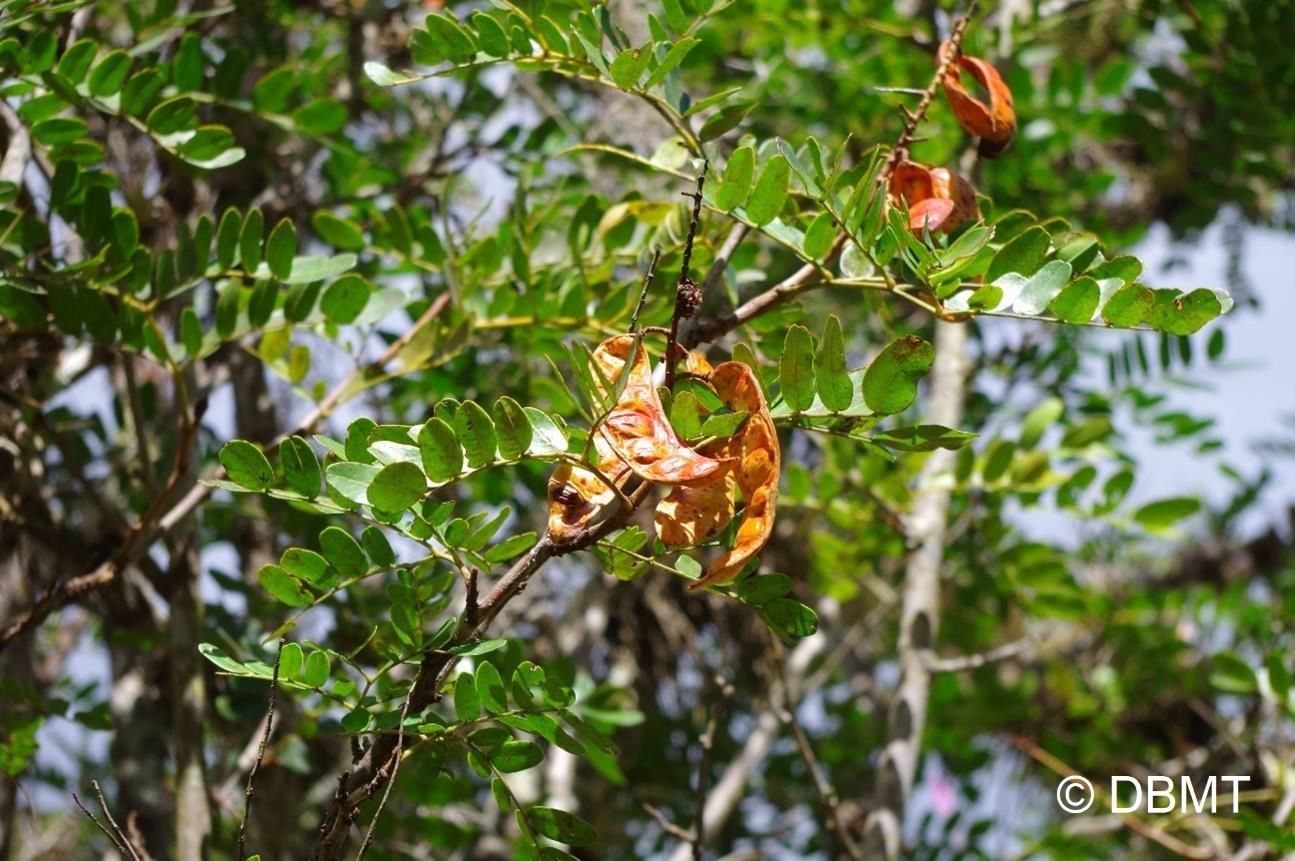
Jardines: El Colibrí, Shalcapata
Traditional Uses in Leymebamba: Dye, Medicinal, Fruit
Description: Tara spinosa (synonym: Caesalpinia spinosa), commonly known as tara, is a tree native to the Andes, widely cultivated for its tannin-rich pods and multiple applications, including medicinal ones. Its medicinal properties derive primarily from its content of bioactive compounds such as tannins, flavonoids, and phenolic acids.
Medicinal Properties: Tara spinosa is a plant with high medicinal value, especially for its antimicrobial, antioxidant, and astringent properties. Its use in traditional and modern medicine reinforces its importance as a natural resource in the Andes.
1. Astringent: The tannins present in the pods have astringent properties, useful for the treatment of wounds, ulcers, and inflammatory skin diseases. They are used topically to accelerate healing and reduce infections.
2. Antimicrobial and antifungal: Tara extracts demonstrate activity against various bacteria and fungi, making them useful in the treatment of topical infections and oral problems such as gingivitis and canker sores.
3. Anthelmintic: Traditionally, it has been used to eliminate intestinal parasites.
4. Anti-inflammatory: The anti-inflammatory properties help treat conditions such as gastritis, colitis, and other gastrointestinal problems
5. Antioxidant: Flavonoids and tannins offer protection against oxidative damage, contributing to cellular health and reducing the risk of degenerative diseases.
6. Digestive: Tara extracts help improve digestion and are useful for treating diarrhea due to their astringent properties.
7. Use in Traditional Medicine: The leaves and bark have been used in infusions to relieve muscle pain, reduce fever, and treat internal inflammation.
Current Applications:
Pharmaceutical: Tara extracts are used in skin care products due to their astringent and antimicrobial effects.
Cosmetics: Its antioxidant capacity makes it an ingredient in anti-aging creams.
Nutraceuticals: The antioxidant and anti-inflammatory compounds position it as a supplement in functional foods.
Precautions: Although tara has wide medicinal applications, its consumption should be moderate. High doses of tannins can cause gastric irritation and affect the absorption of certain nutrients
Referencias:
Brack Egg, A. (1999). Diccionario Enciclopédico de Plantas Útiles del Perú. Centro de Estudios Regionales Andinos "Bartolomé de las Casas". Lima, Perú. 556 p.
Callohuari, R., Sandoval Vegas, M., & Huamán Gutiérrez, O. (2017, January). Efecto gastroprotector y capacidad antioxidante del extracto acuoso de las vainas de Caesalpinia spinosa ‘tara’, en animales de experimentación. In Anales de la Facultad de Medicina (Vol. 78, No. 1, pp. 61-66). UNMSM. Facultad de Medicina.
Soukup, J. (1978). Vocabulario de los nombres vulgares de la flora peruana y catálogo de los géneros. Editorial Salesiana. Lima, Perú. 435 p.