Verbena littoralis
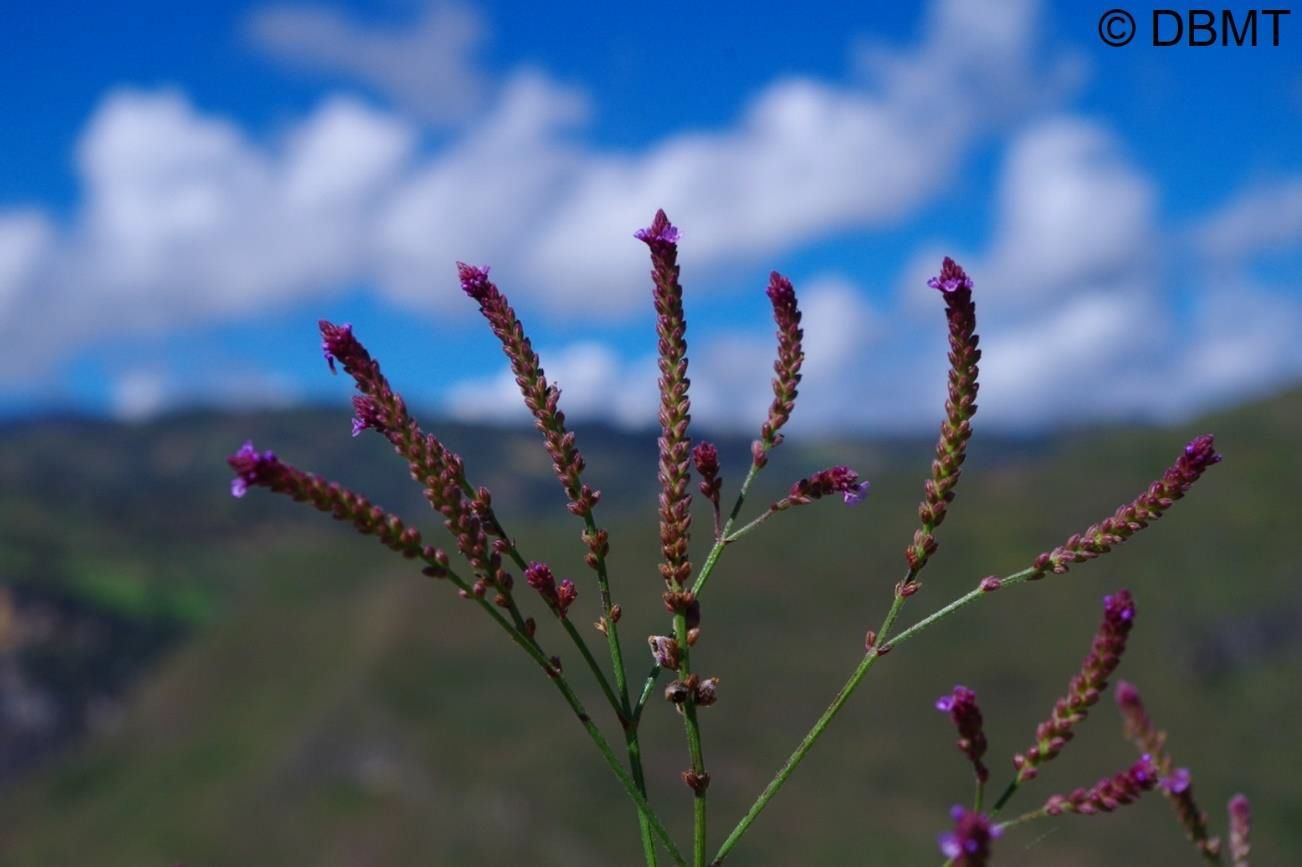
Gardens: El Colibrí
Traditional Uses in Peru: Verbena littoralis is a highly valued plant in traditional Peruvian medicine, especially in rural communities, and is considered one of the most versatile herbs for treating a wide variety of ailments.
1. Anti-inflammatory Properties: It is used in the form of infusions or poultices to treat internal and external inflammations, such as muscle pain, bruises, and arthritis.
2. Use as an Analgesic: It is known for relieving headaches, migraines, and minor body aches. It can be applied topically or consumed as an infusion.
3. Digestive Properties: It is used to treat gastrointestinal problems such as indigestion, colic, and diarrhea. It is also considered useful for stimulating the appetite.
4. Antipyretic Properties: In traditional medicine, verbena is used to lower fever, both as an infusion and in herbal baths.
5. Relaxing and sedative properties: It has a calming effect, which is why it is used to treat stress, anxiety, and insomnia. Verbena infusions are popular for helping people fall asleep.
6. Expectorant and antitussive properties: It is commonly used to treat colds, coughs, and respiratory problems, helping to clear the airways.
7. Emenagogic Properties: In women, it is used to regulate the menstrual cycle and relieve menstrual cramps. However, its use should be controlled, especially during pregnancy, as it may have abortive effects.
8. Antimicrobial and Healing Properties: Topical application of verbena preparations is used to disinfect wounds, promote healing, and treat minor skin infections.
Methods of Use:
Infusion: For digestive problems, fever, or stress, infusions are prepared with the leaves and flowers.
Poultices: It is applied directly to inflamed areas or wounds.
Herbal Baths: In cases of fever or body aches, the leaves and flowers are boiled in water to prepare medicinal baths.
Precautions:
Avoid during pregnancy: Due to its possible emenagogic and uterotonic effects.
Moderate Consumption: Although generally safe, excessive use may cause stomach irritation or other side effects.
References:
Brack Egg, A. (1999). Diccionario Enciclopédico de Plantas Útiles del Perú. Centro de Estudios Regionales Andinos "Batolomé de las Casas". Lima, Perú. 556 p.
Castro-Gamboa, I., & Castro, O. (2004). Iridoids from the aerial parts of Verbena littoralis (Verbenaceae). Phytochemistry, 65(16), 2369-2372.
Li, Y., Ishibashi, M., Satake, M., Chen, X., Oshima, Y., & Ohizumi, Y. (2003). Sterol and Triterpenoid Constituents of Verbena l ittoralis with NGF-Potentiating Activity. Journal of natural products, 66(5), 696-698.
Soukup, J. (1978). Vocabulario de los nombres vulgares de la flora peruana y catálogo de los géneros. Editorial Salesiana. Lima, Perú. 435 p.